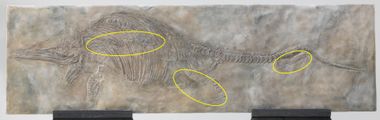
Stenopterygius quadriscissus
Name means: “Narrow Fin” "split in four"
About
Specimen: AMNH 233 (cast)
Collected: from Stuttgart Museum, 1901
Excavated: Holzmaden, Württemberg, Germany
Length: 9 ft in situ
Babies: 3, in yellow circles
Ichthyosaurs were marine reptiles that appear to be dolphin "look-alikes". Their anatomy, however, shows them to be marine reptiles. In 1811, Joseph Anning uncovered a 4 foot icthyosaur skull near Dorset, England as he and his sister Mary searched for fossils to sell in support of their family. Joseph was 15 and Mary was 12. A few months later, Mary uncovered the rest of what would be the first identified ichthyosaur. It was believed the tails in such fossils were broken, but later discoveries in the 1800s revealed a vertical caudal fluke (tail).
According to the fossil record, icthyosaurs gave birth to live young. As this amazing specimen (a rare cast directly from the original in the American Museum of Natural History, NY) reveals, she was birthing her young: one beneath the tail, one in the birth canal, and one unborn beneath her ribs. Pregnant ichthyosaur fossils have been found around the world, including Europe, Asia, North and South America. This is an indication of rapid burial due to a significant catastrophe.
Other Fossils
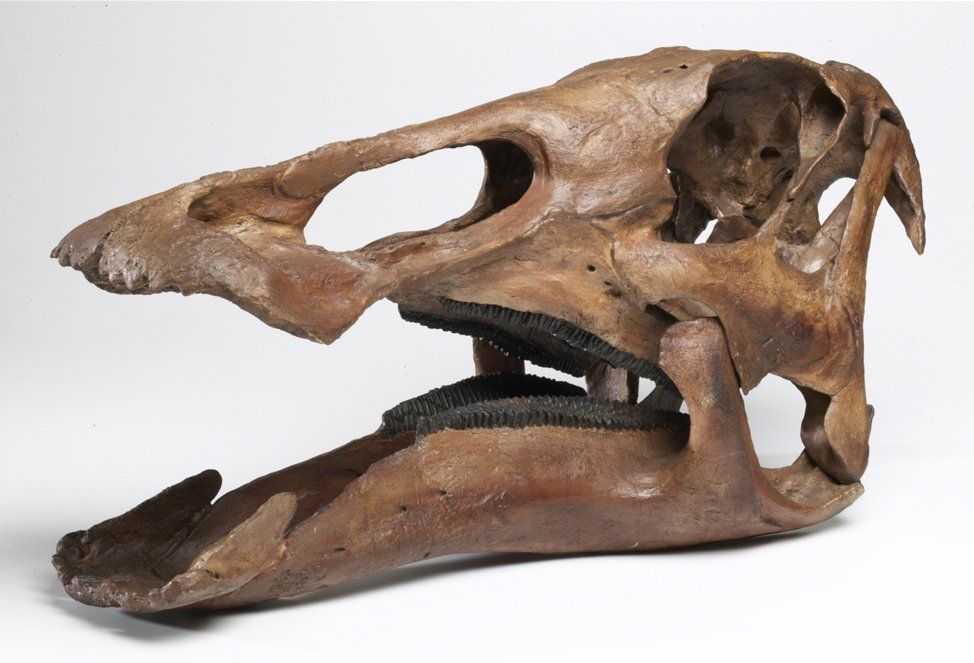
Edmontosaurus annectens
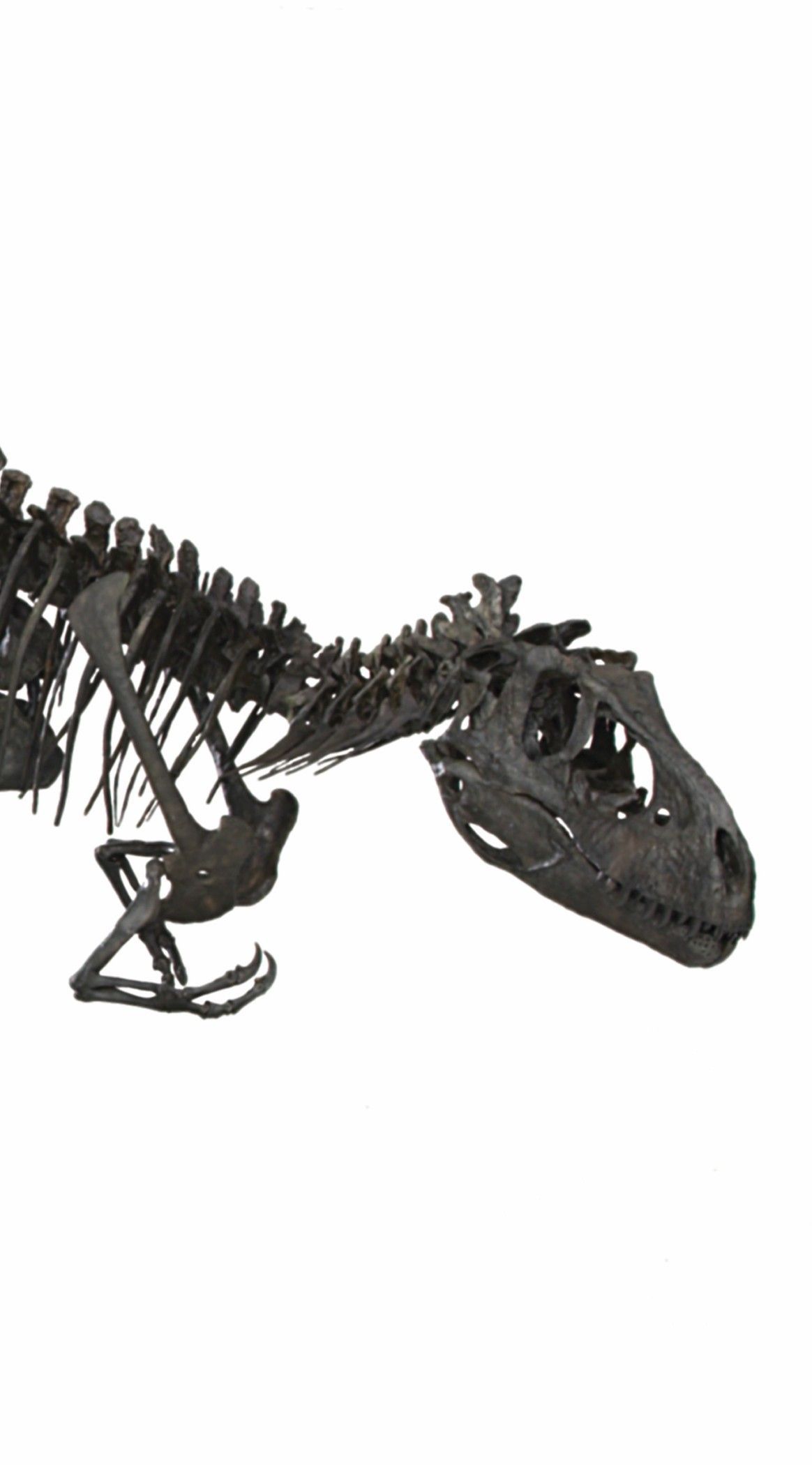
Albertosaurus sarcophagus
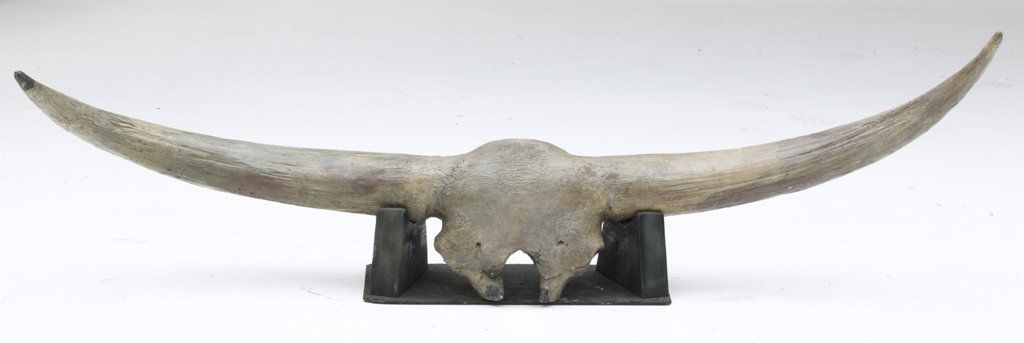
Bison latifrons
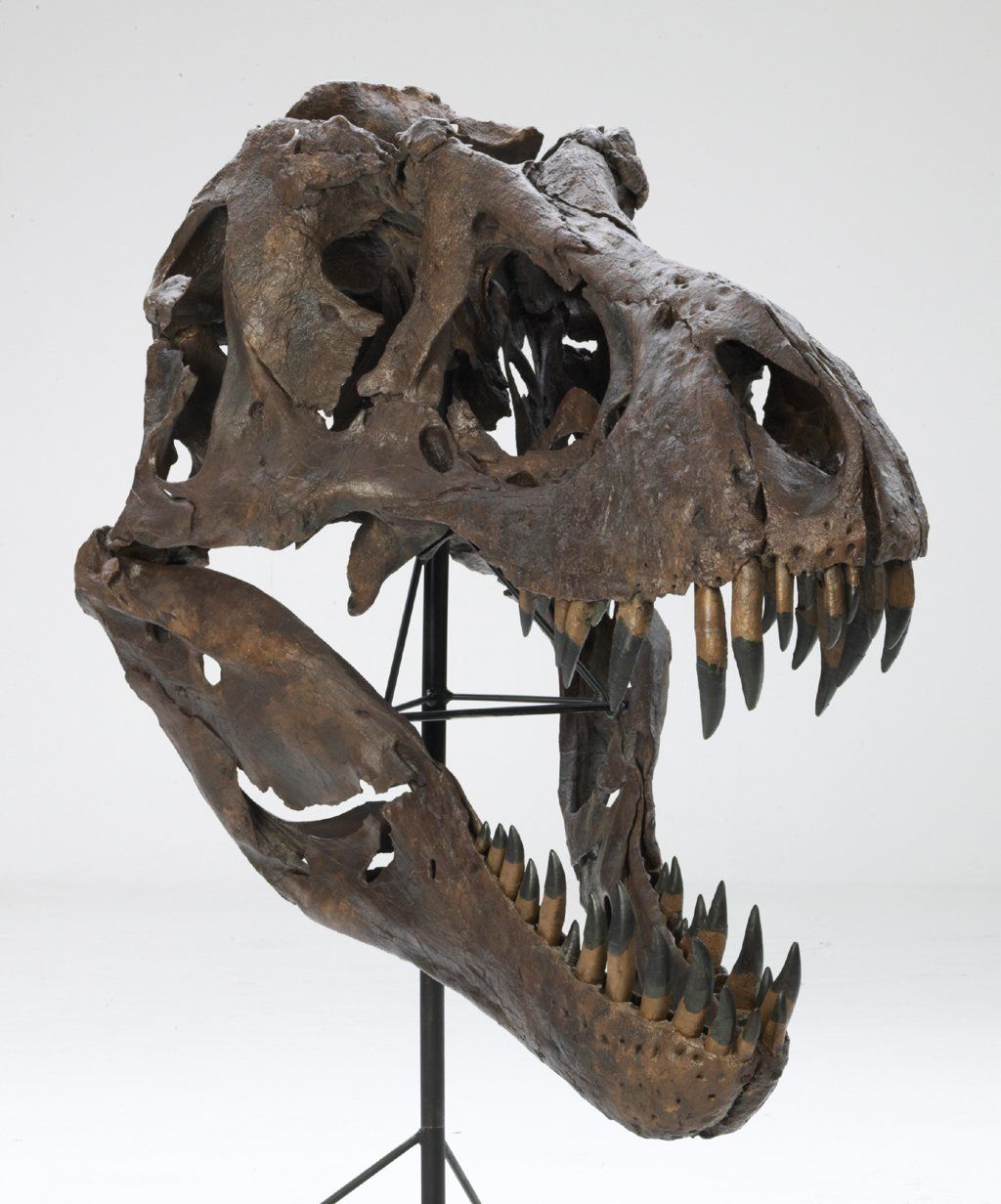
Tyrannosaurus rex
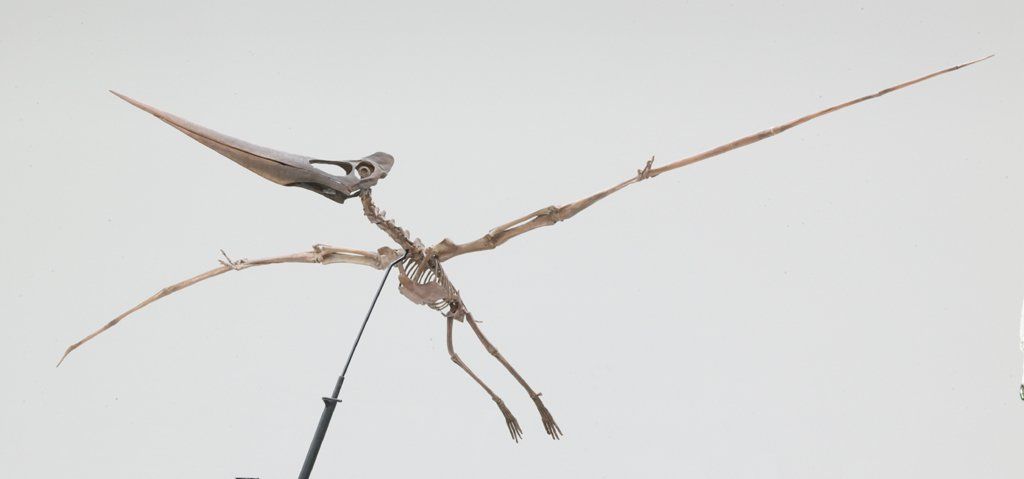
11ft Pteranodon longiceps
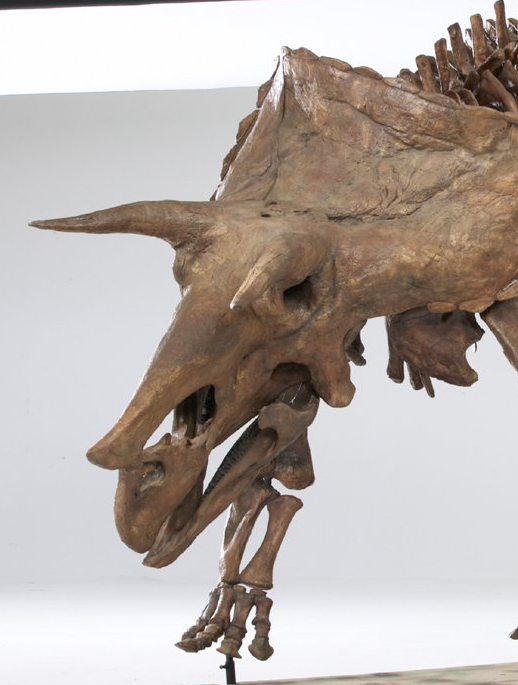
Triceratops prorsus
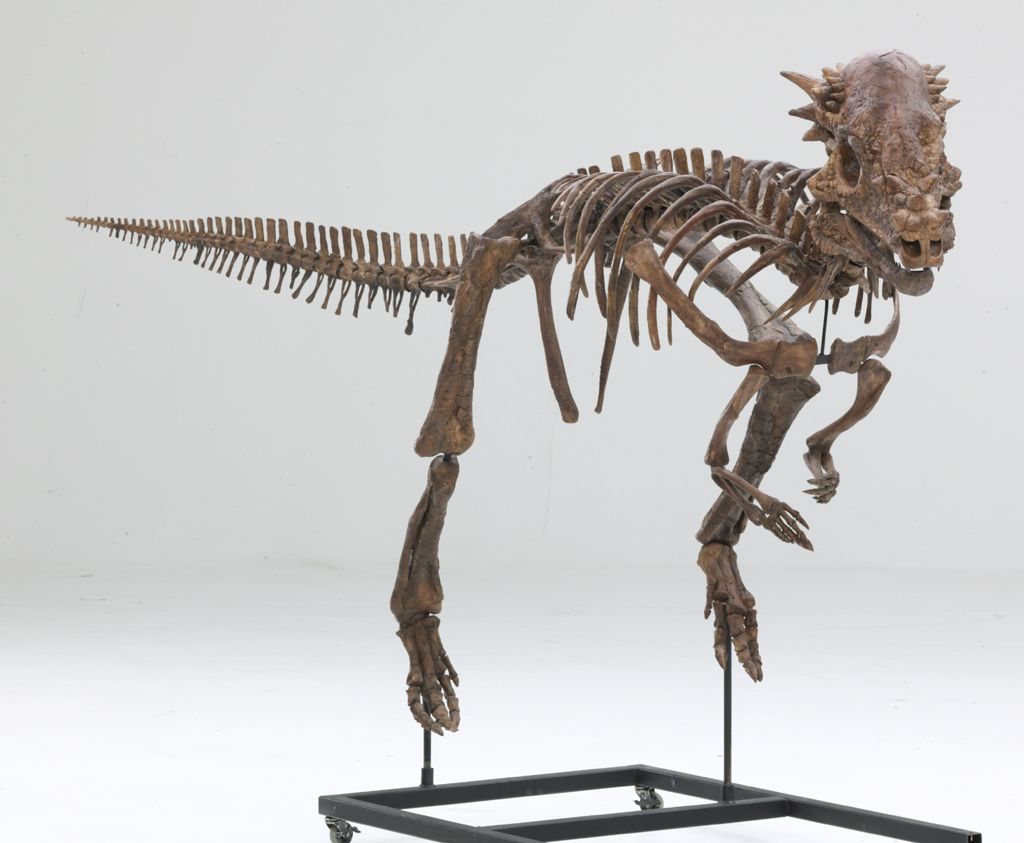
Pachycephalosaurus wyomingsis
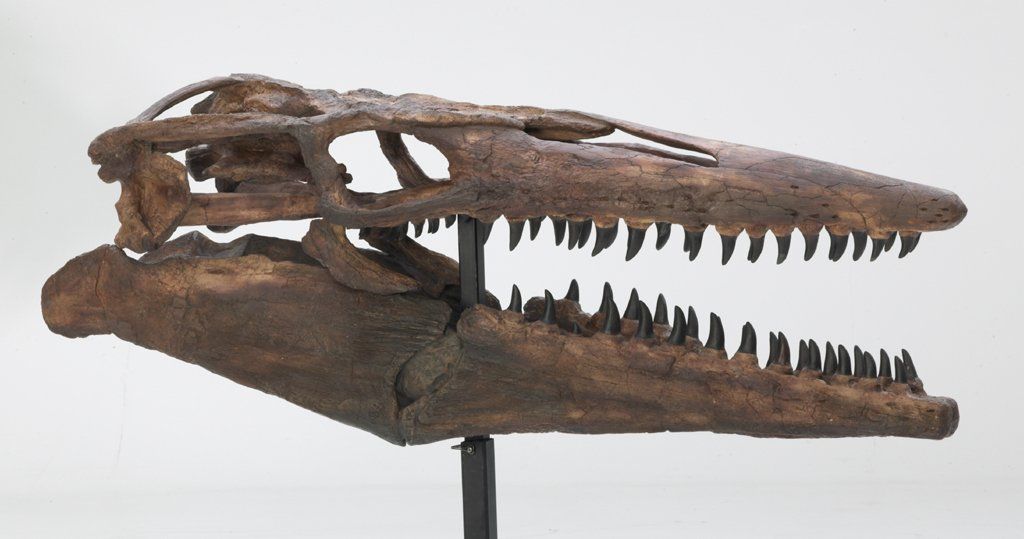
Tylosaurus proriger
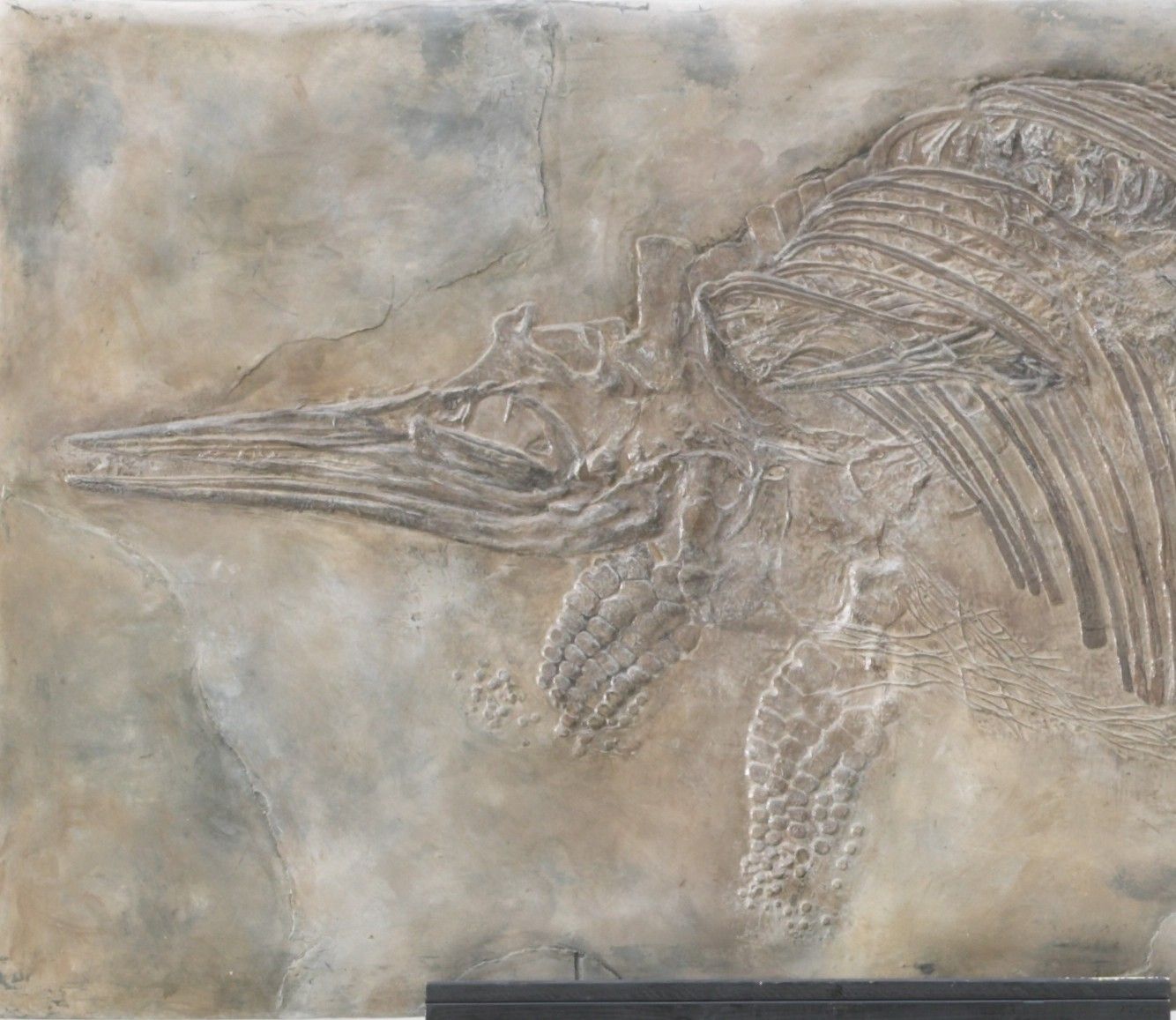
Stenopterygius quadriscissus
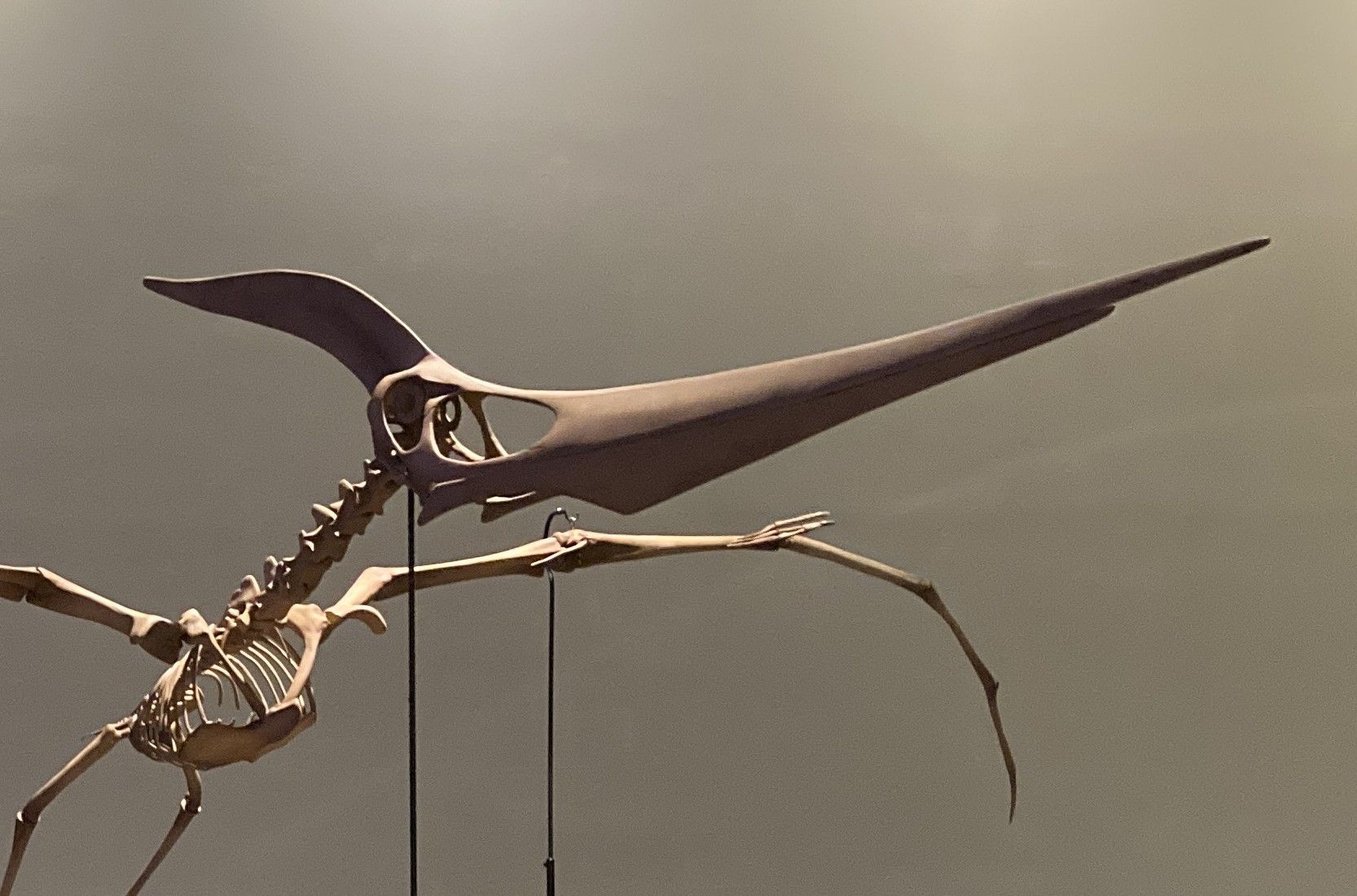
24ft Pteranodon longiceps
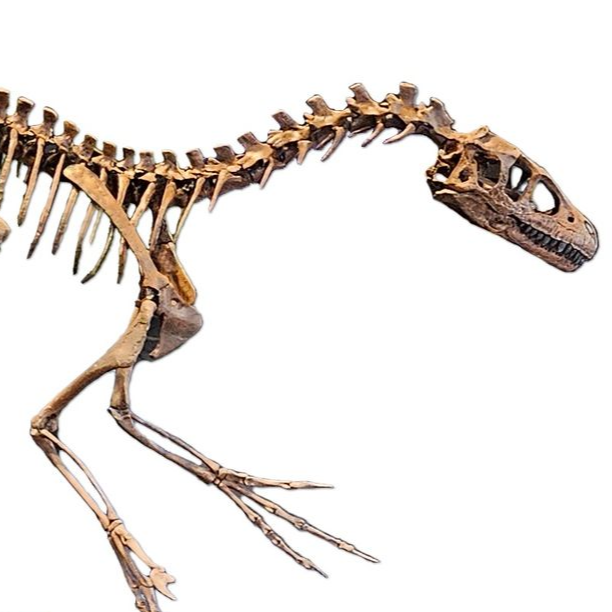
Dromaeosaurus albertensis
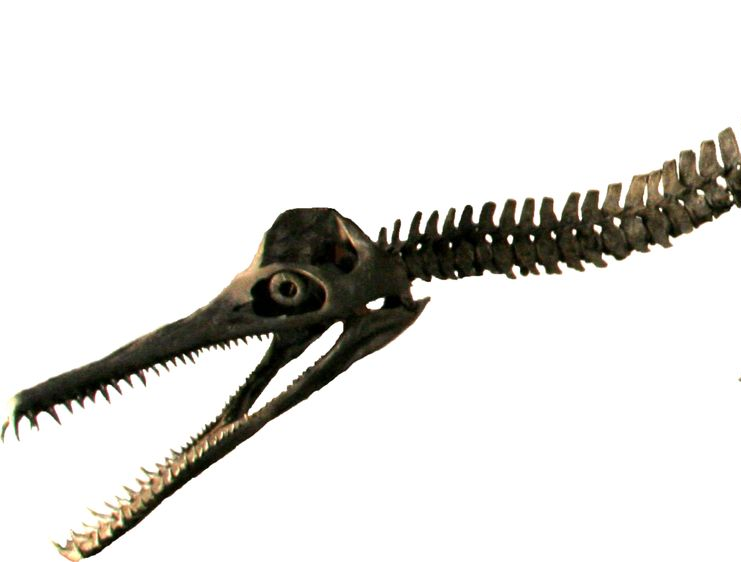
Martinectes bonneri
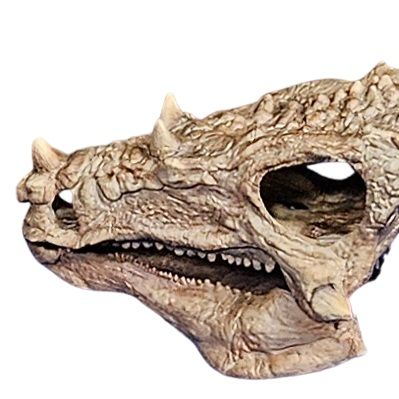
Dracorex hogwartsia
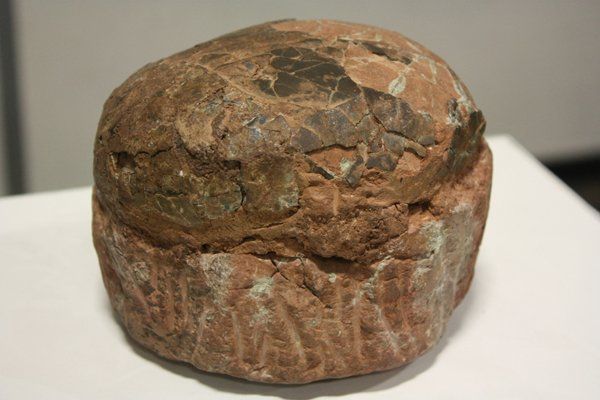
Dinosaur Egg
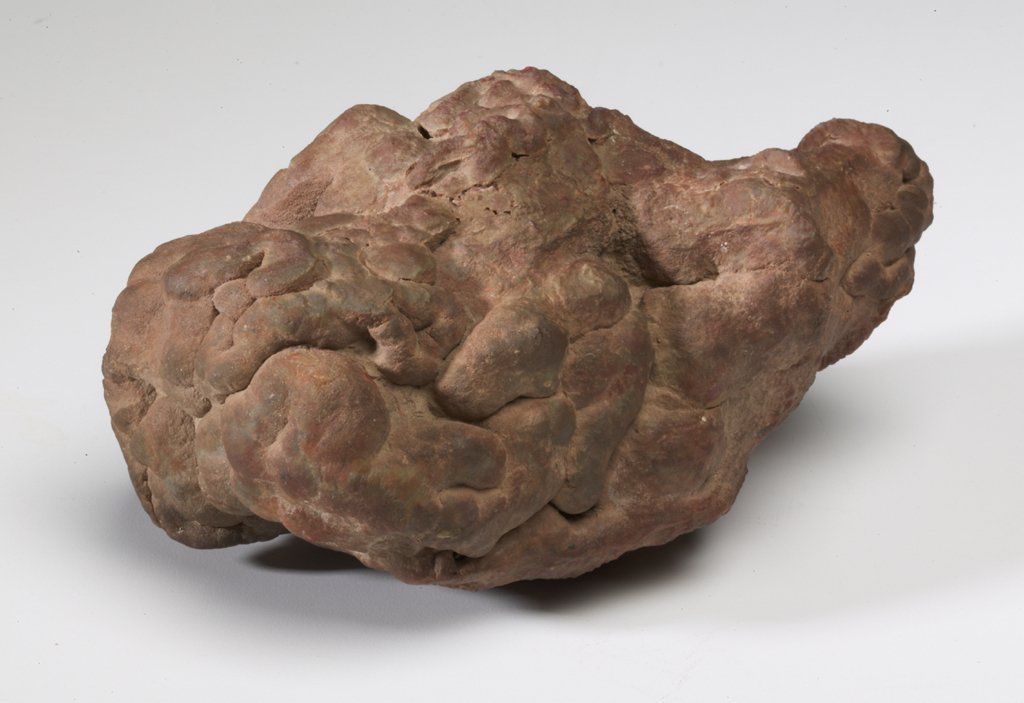
Coprolite (Fossil Excrement)
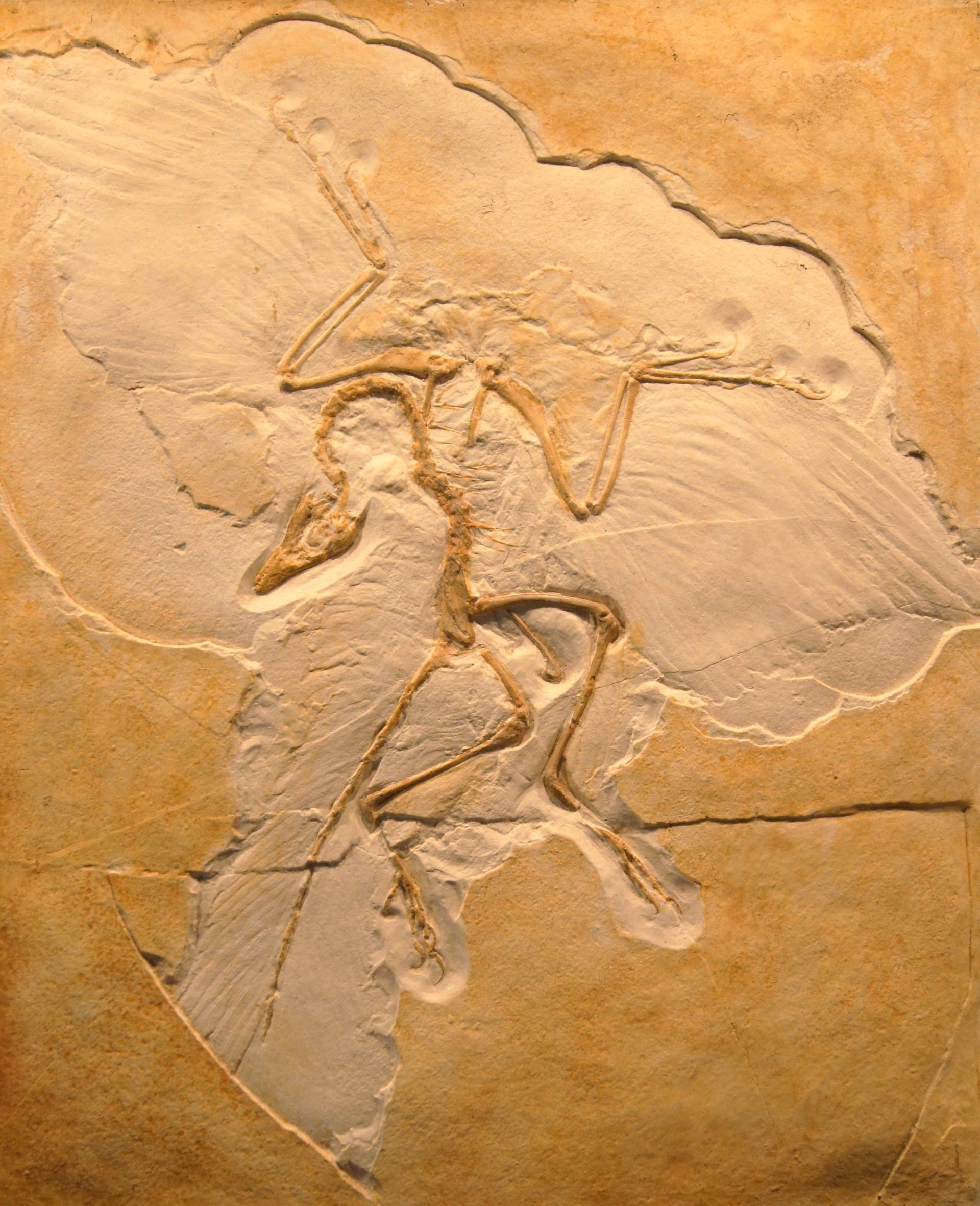
Archaeopteryx siemensii
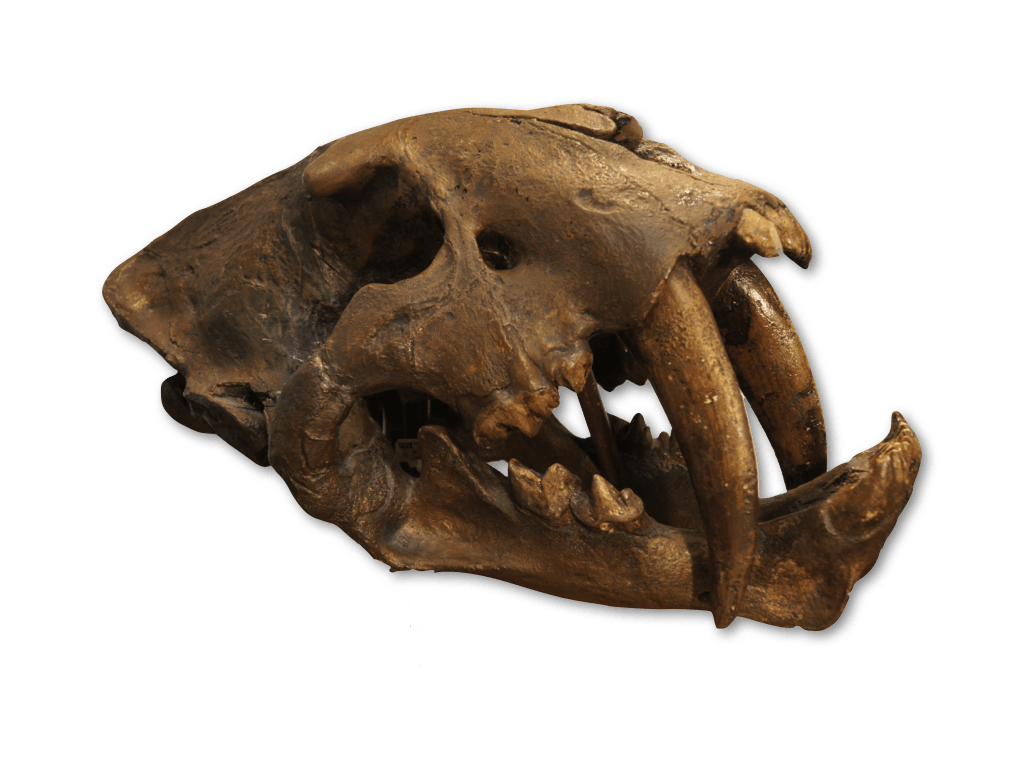
Smilodon californicus