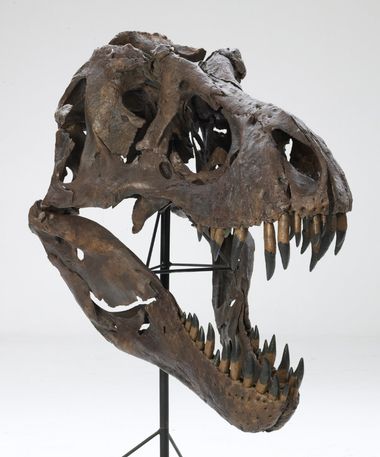
Tyrannosaurus rex
Name means: “Tyrant Lizard" "king”
About
Specimen: BHI 3033, "Stan" (cast)
Discovery: Stan Sacrison, 1987
Excavated: Harding County, SD
Length: 39 ft
Height: 12 ft
Weight: est. 6 to 7 tons
Skull: 5 ft
This specimen, field name "Stan", was 65% complete with the best preserved skull to that point (only missing two small pieces). After 30,000 hours and $1 million spent by the Black Hills Institute, the Stan specimen became the most studied and exhibitied T. rex in the world. Tyrannosaurs are called the king of the dinosaurs because of their massive size and terrible teeth, though larger theropod dinosaurs have been found since T. rex was named in 1905. However, Stan is estimated to have the strongest bite force of any land animal at up to 12,800 pound-force (6.4 ton-force) per rear tooth!
T. rex had 50 to 60 teeth: 35 of Stan's were preserved, including baby teeth growing inside adult teeth like other reptiles. The black part of the teeth was an enamel-covered crown, sticking past the gum line, turning black through fossilization. Stan also had several broken and healed ribs and neck bones, bite marks on his jaws, and a chunk of bone bitten off from the top rear part of his head. The top speed of an adult T. rex is estimated to be 11 to 17 mph. The original fossil now resides at the Natural History Museum in Abu Dhabi, UAE.
Other Fossils
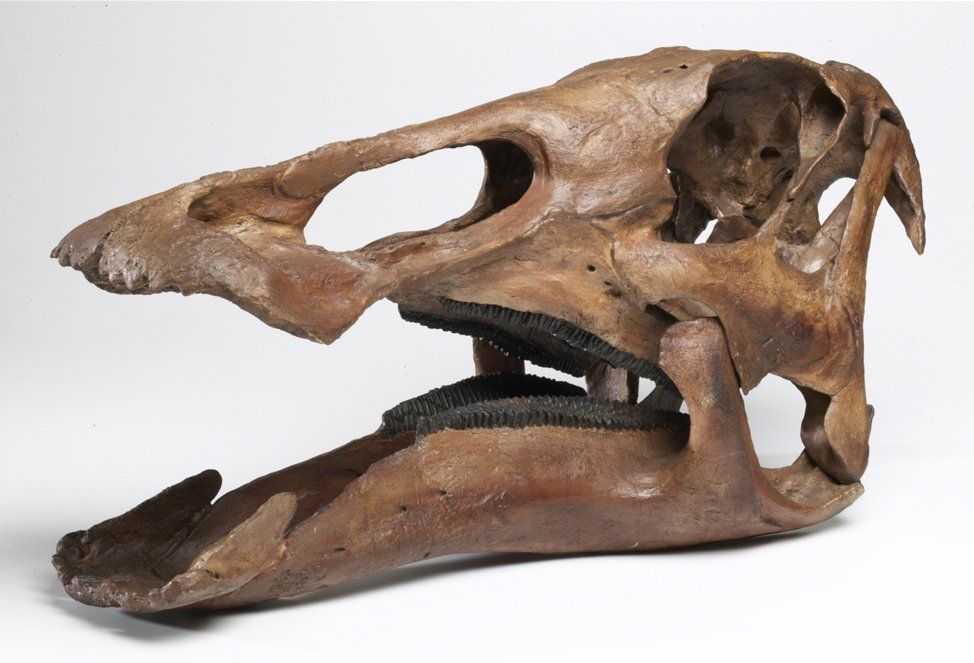
Edmontosaurus annectens
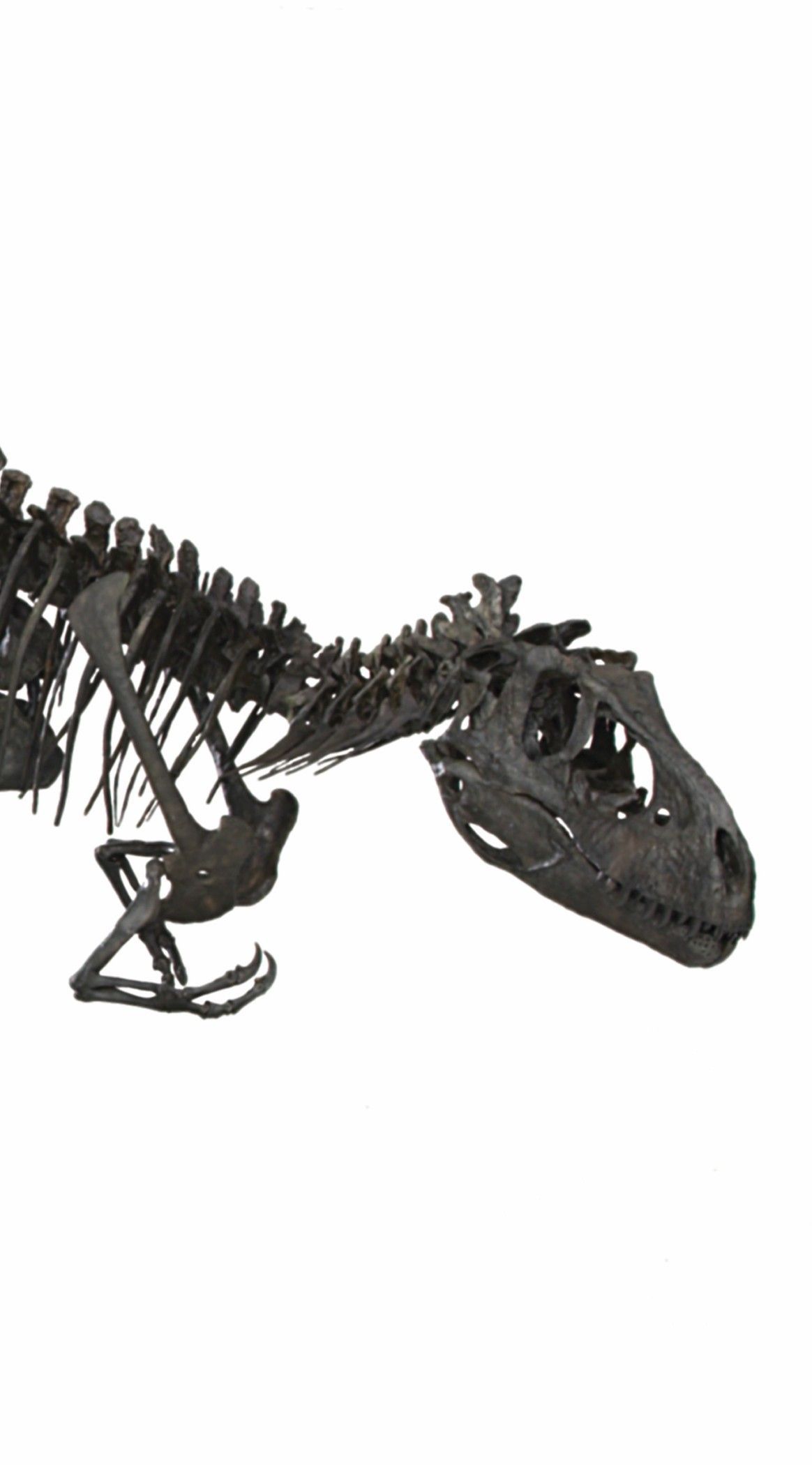
Albertosaurus sarcophagus
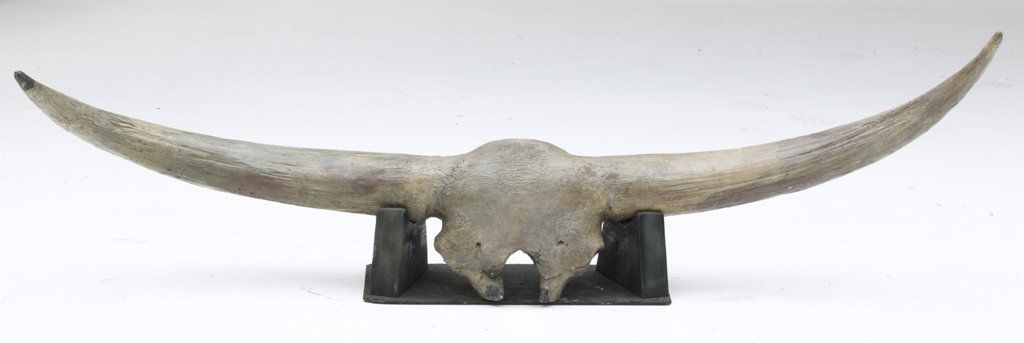
Bison latifrons
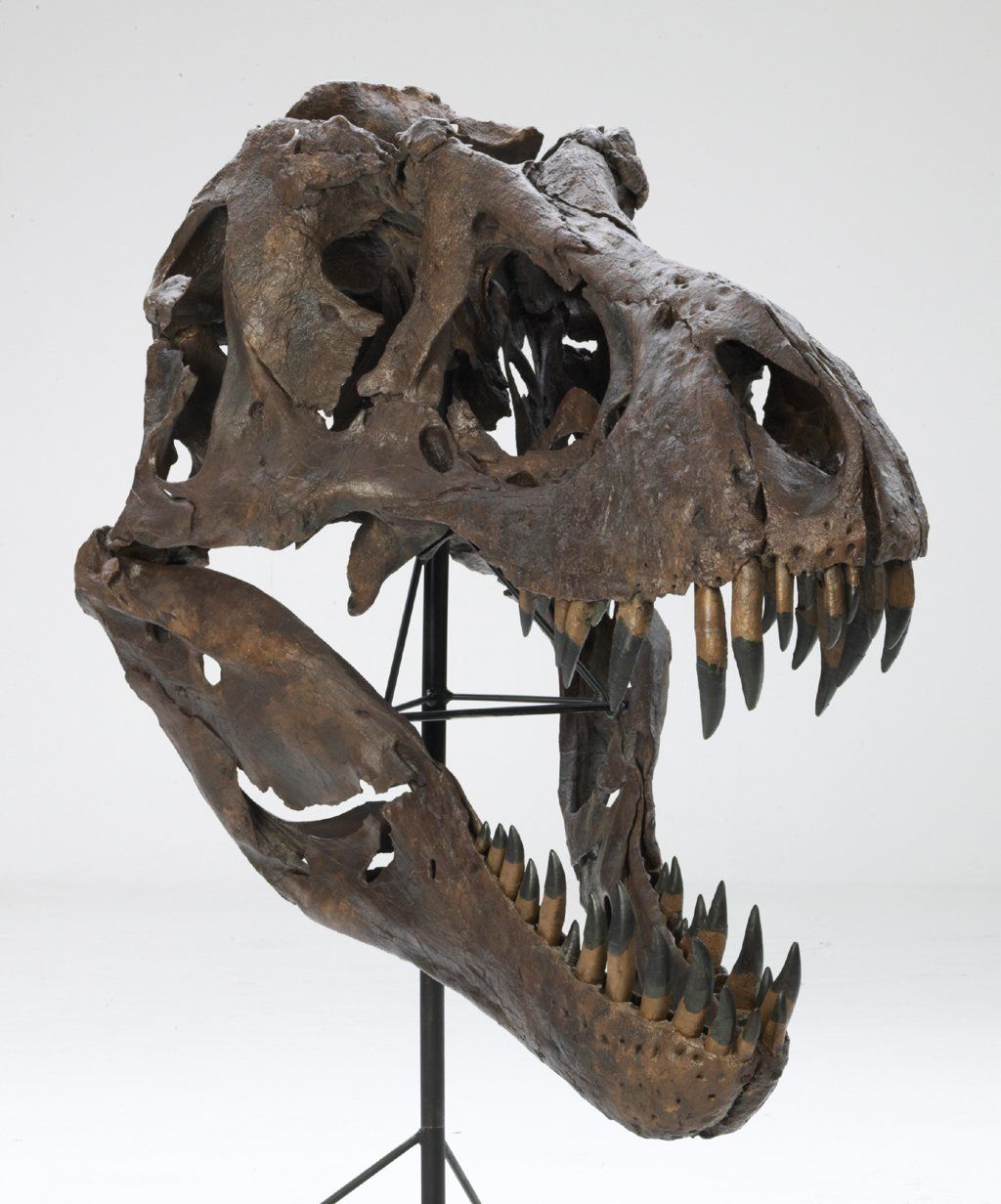
Tyrannosaurus rex
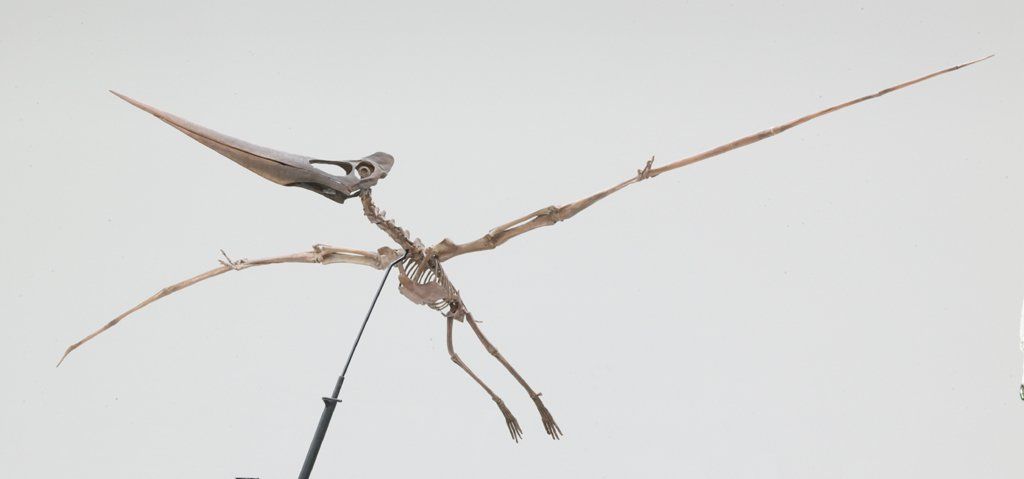
11ft Pteranodon longiceps
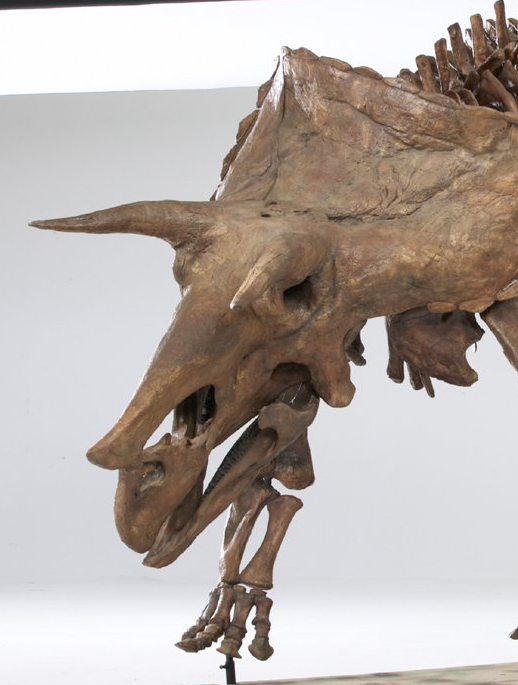
Triceratops prorsus
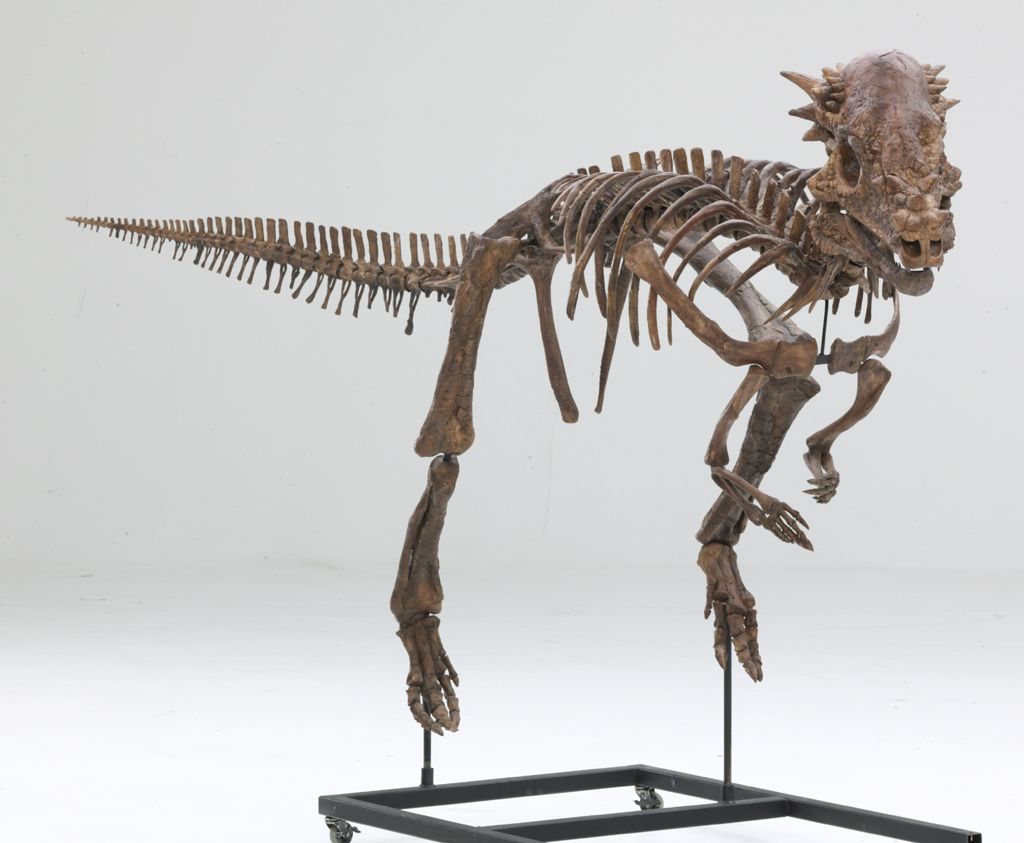
Pachycephalosaurus wyomingsis
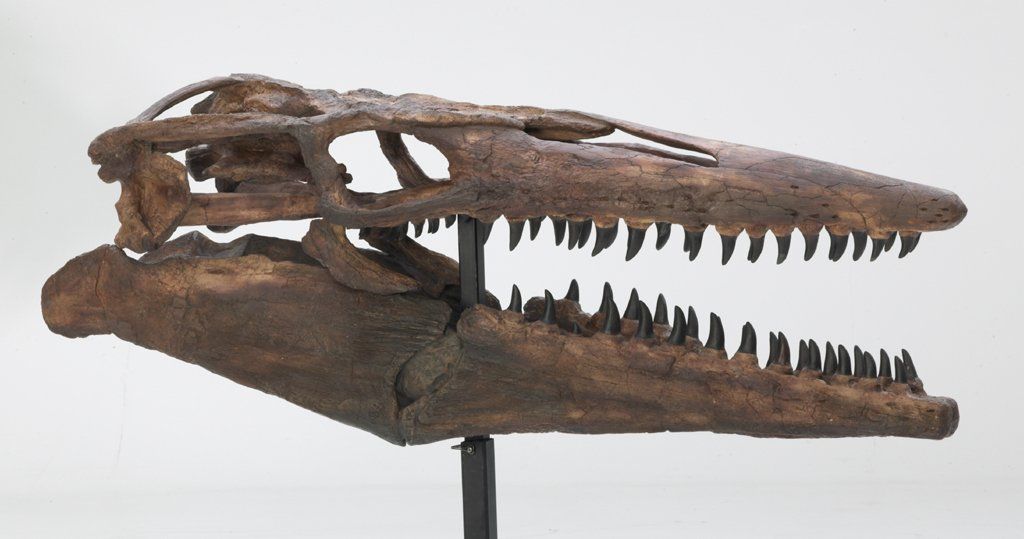
Tylosaurus proriger
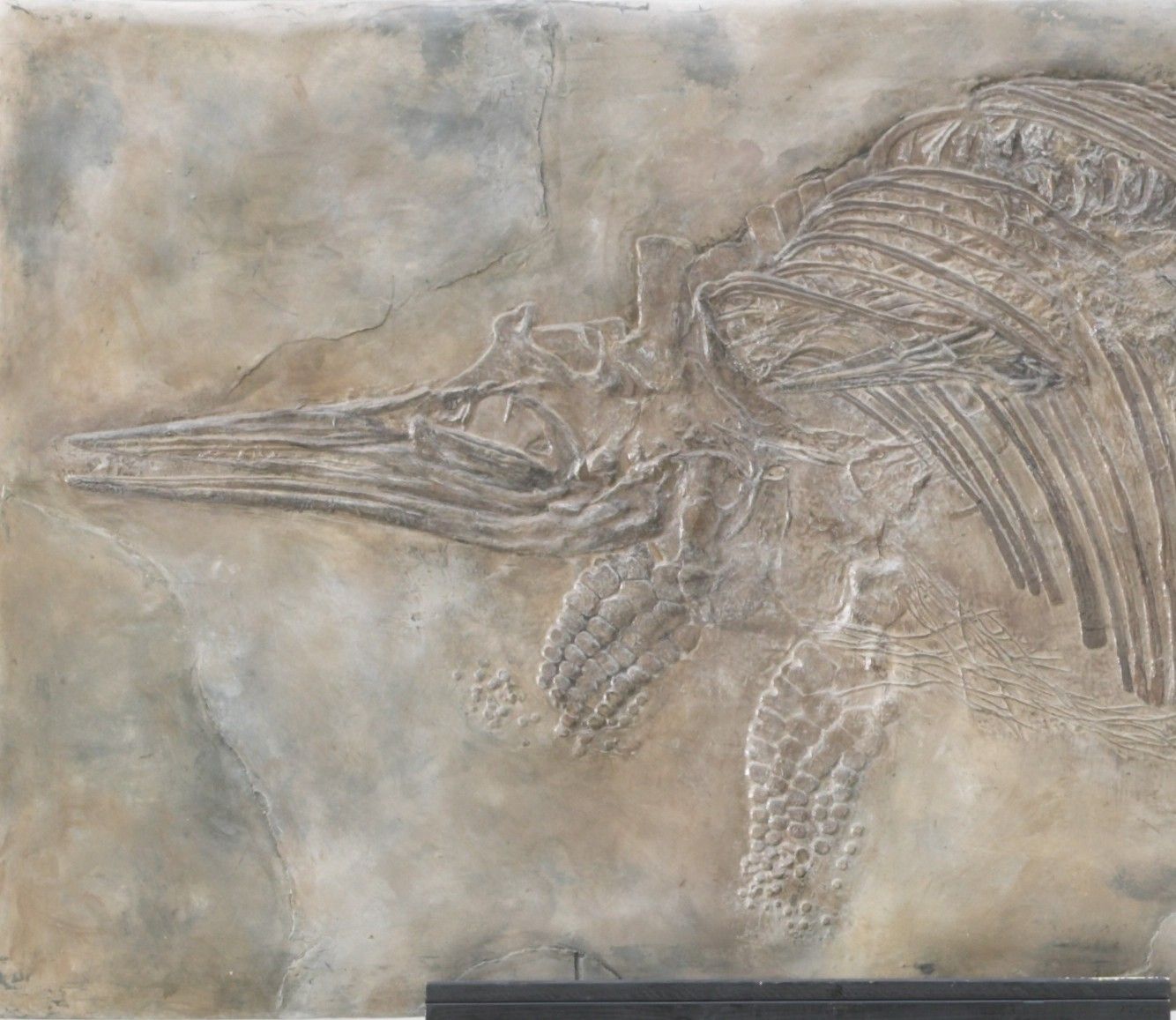
Stenopterygius quadriscissus
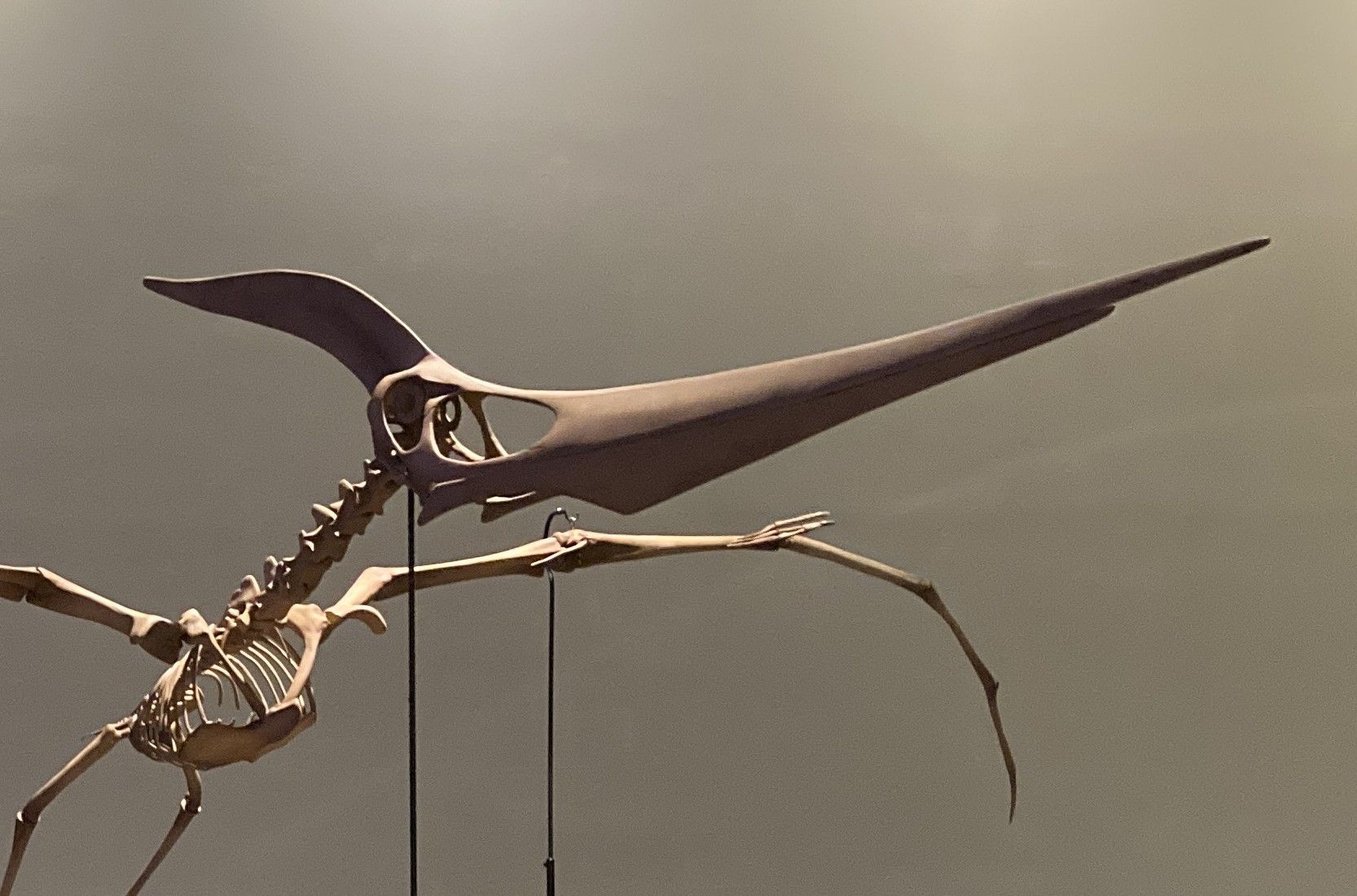
24ft Pteranodon longiceps
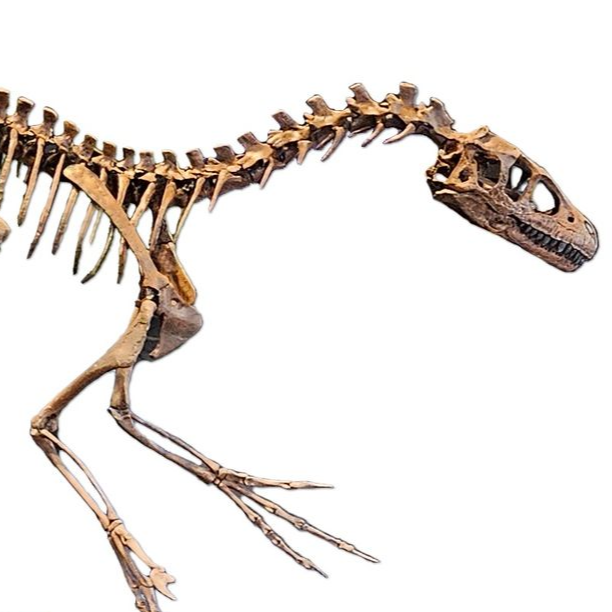
Dromaeosaurus albertensis
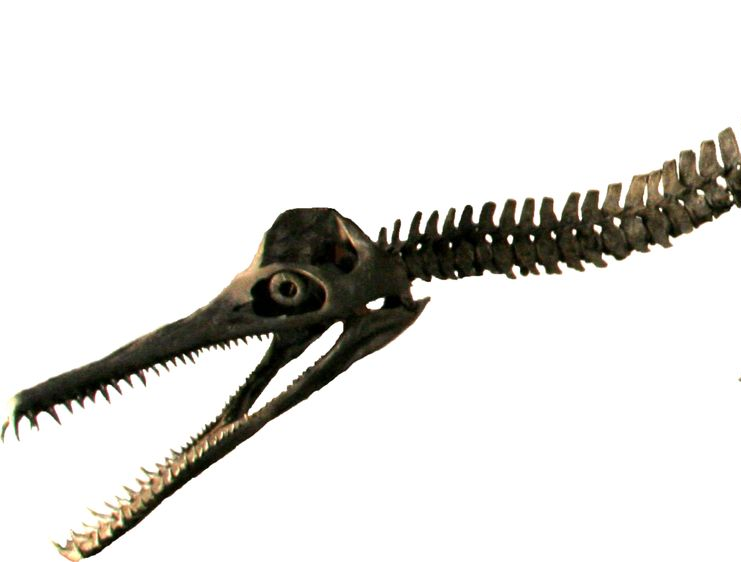
Martinectes bonneri
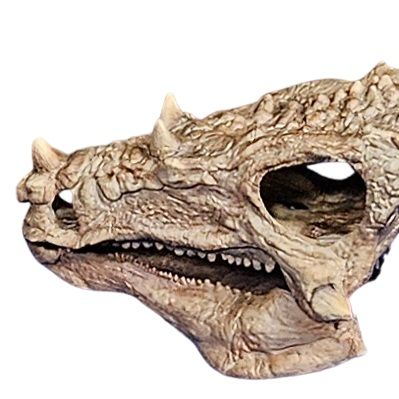
Dracorex hogwartsia
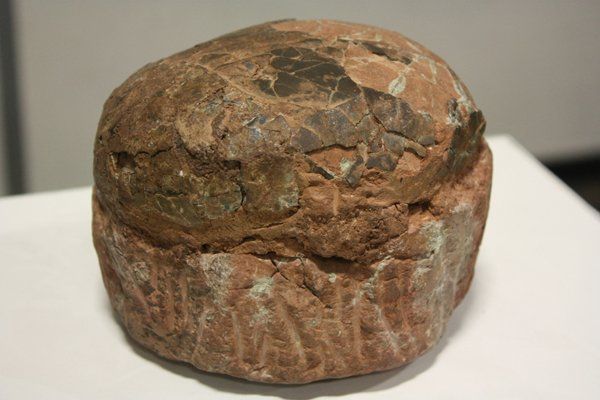
Dinosaur Egg
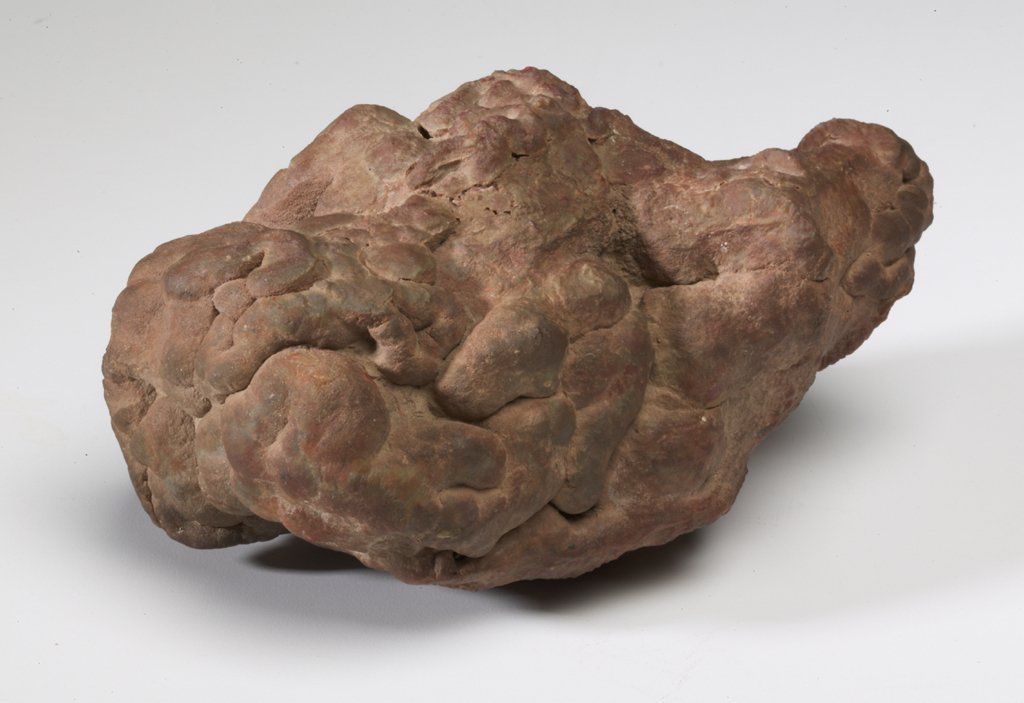
Coprolite (Fossil Excrement)
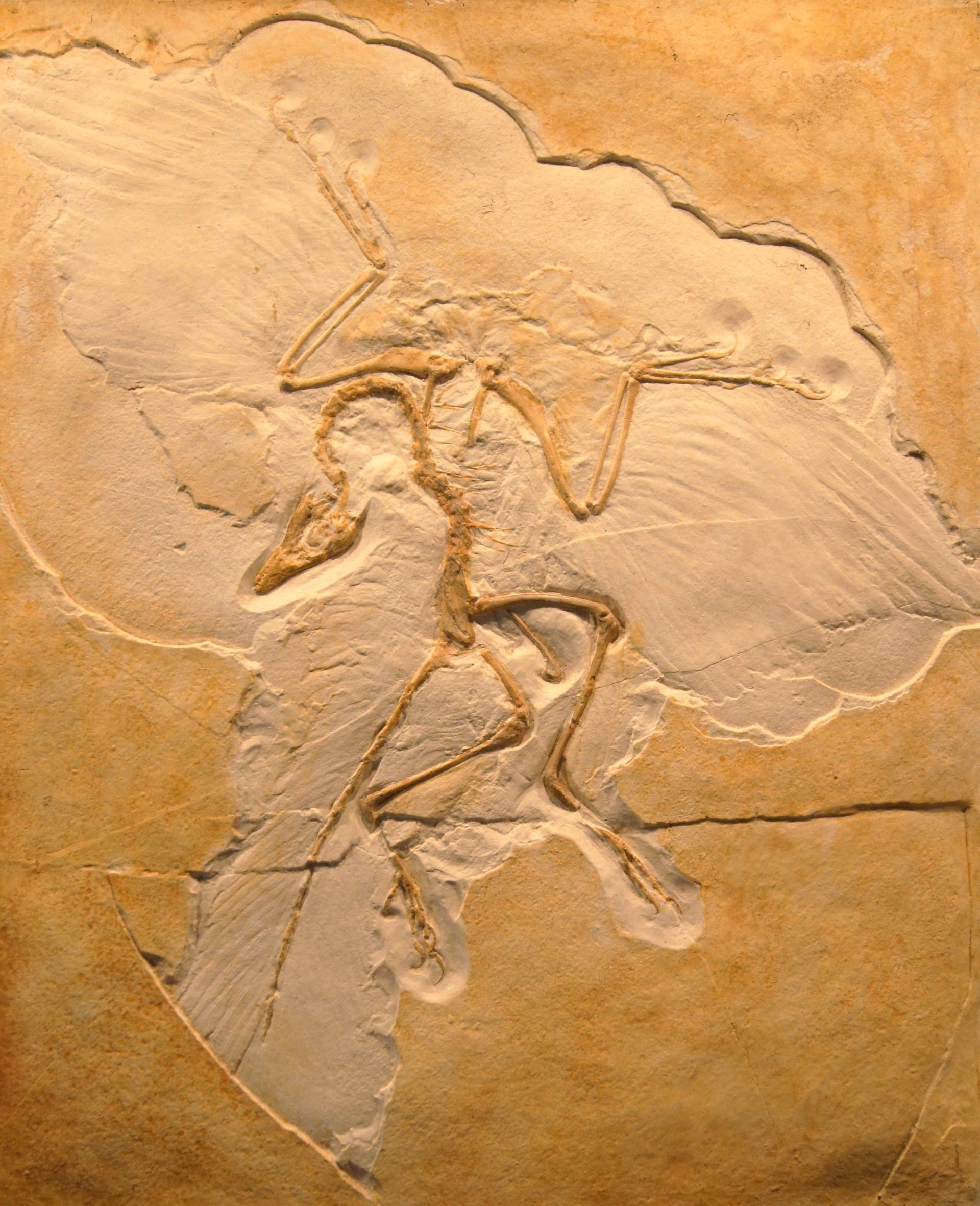
Archaeopteryx siemensii
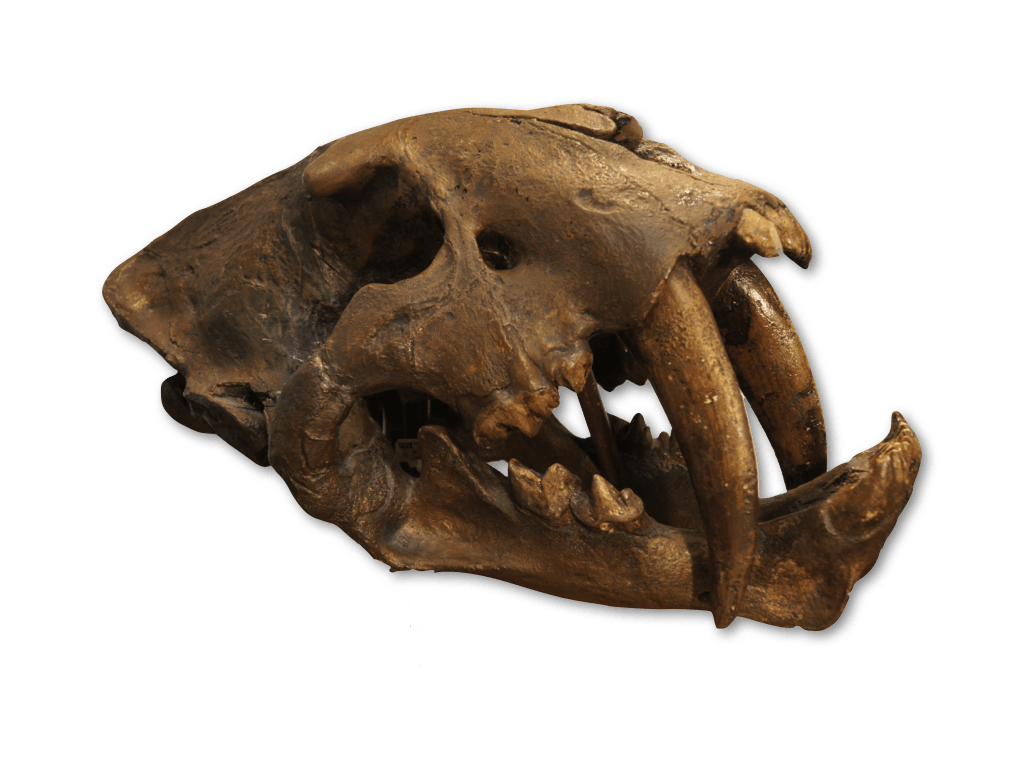
Smilodon californicus