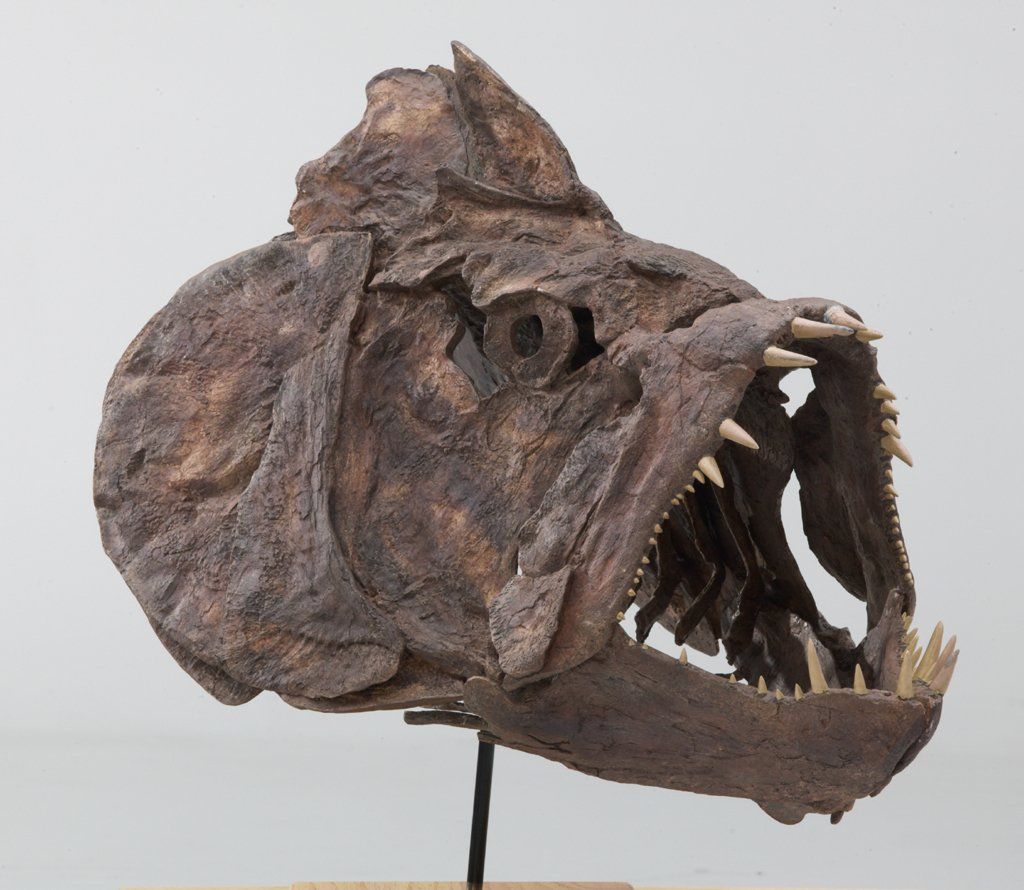
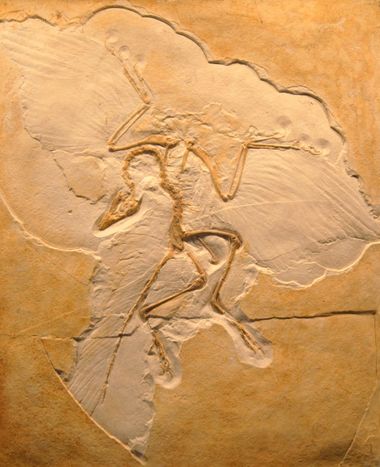
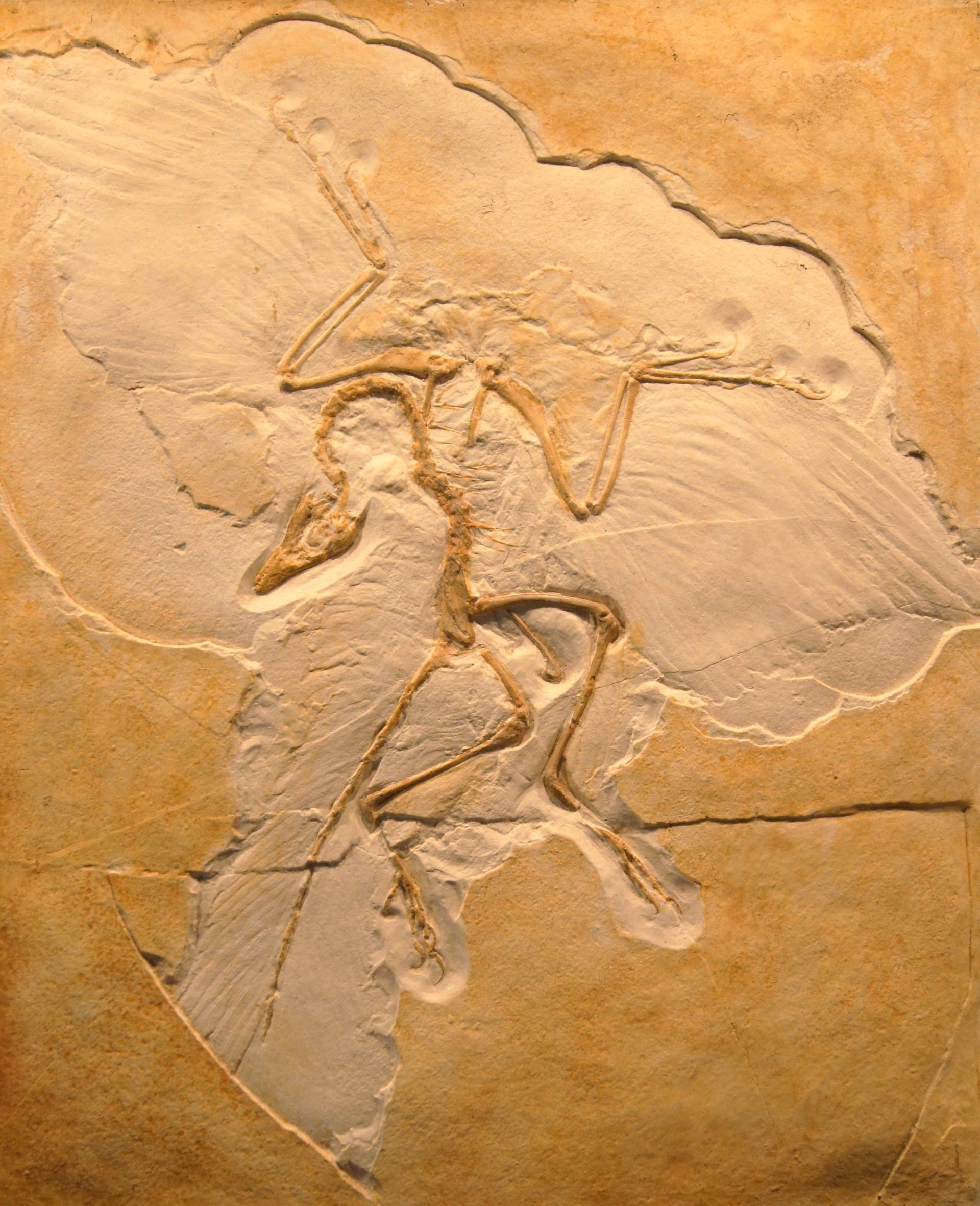
Archaeopteryx siemensii
Name means: "Ancient Wing" "for Siemens"
About
Specimen: MB.Av.101 (cast)
Discovery: Jakob Niemeyer, 1874
Excavated: Eichstätt, Germany
Weight: est. 11 to 18 oz
Wingspan: 1.5 ft
Length: 1.3 ft
When farmer Jakob Niemeyer discovered this fossil, he sold it to purchase a cow. It was eventually acquired by the Museum für Naturkunde in Berlin, where it now resides. Known as the Berlin specimen, it remains the most complete skelton of the 14 known specimens to date. The specimens range in size from a pigeon to a chicken.
Archaeopteryx was once thought to be an intermediate between dinosaurs and birds. However, studies consistently support the conclusion that it was simply a bird. For example, though it has claws on its hands/wings, so do some modern birds (ostrich, emu, hoatzin, turaco). Additionally, all 14 specimens have been found in layers below many of the dinosaurs claimed to be ancestors of birds, making it impossible for Archaeopteryx to be a missing link. Scientists published in May of 2025 another paper in the journal Nature of skull construction (very different from dinosaurs), specialized secondary feathers called tertials, and skin traces that all confirmed Archaeopteryx was a bird capable of sustained flight.
Other Fossils
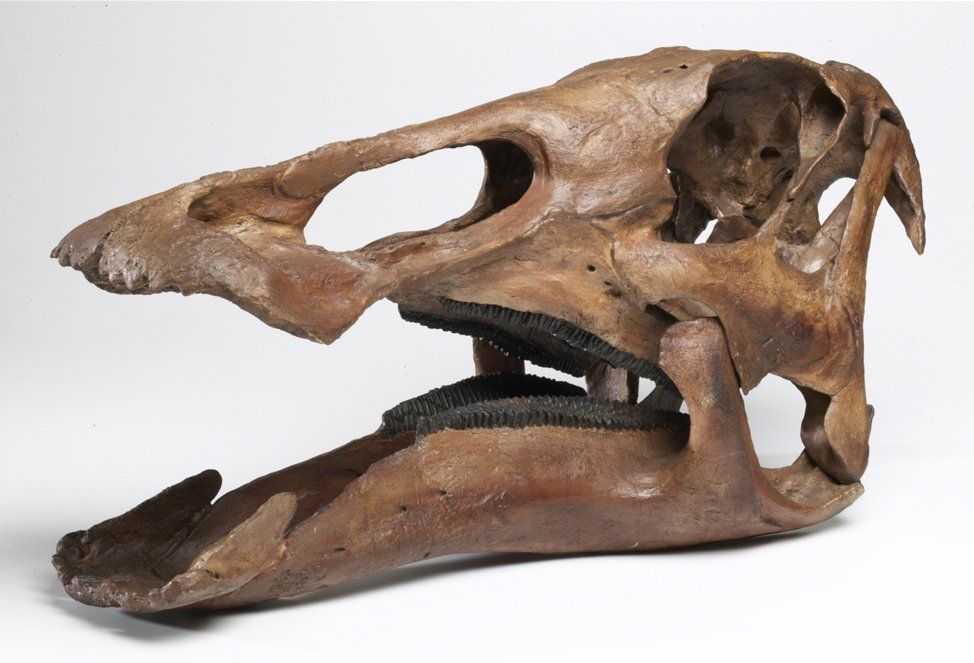
Edmontosaurus annectens
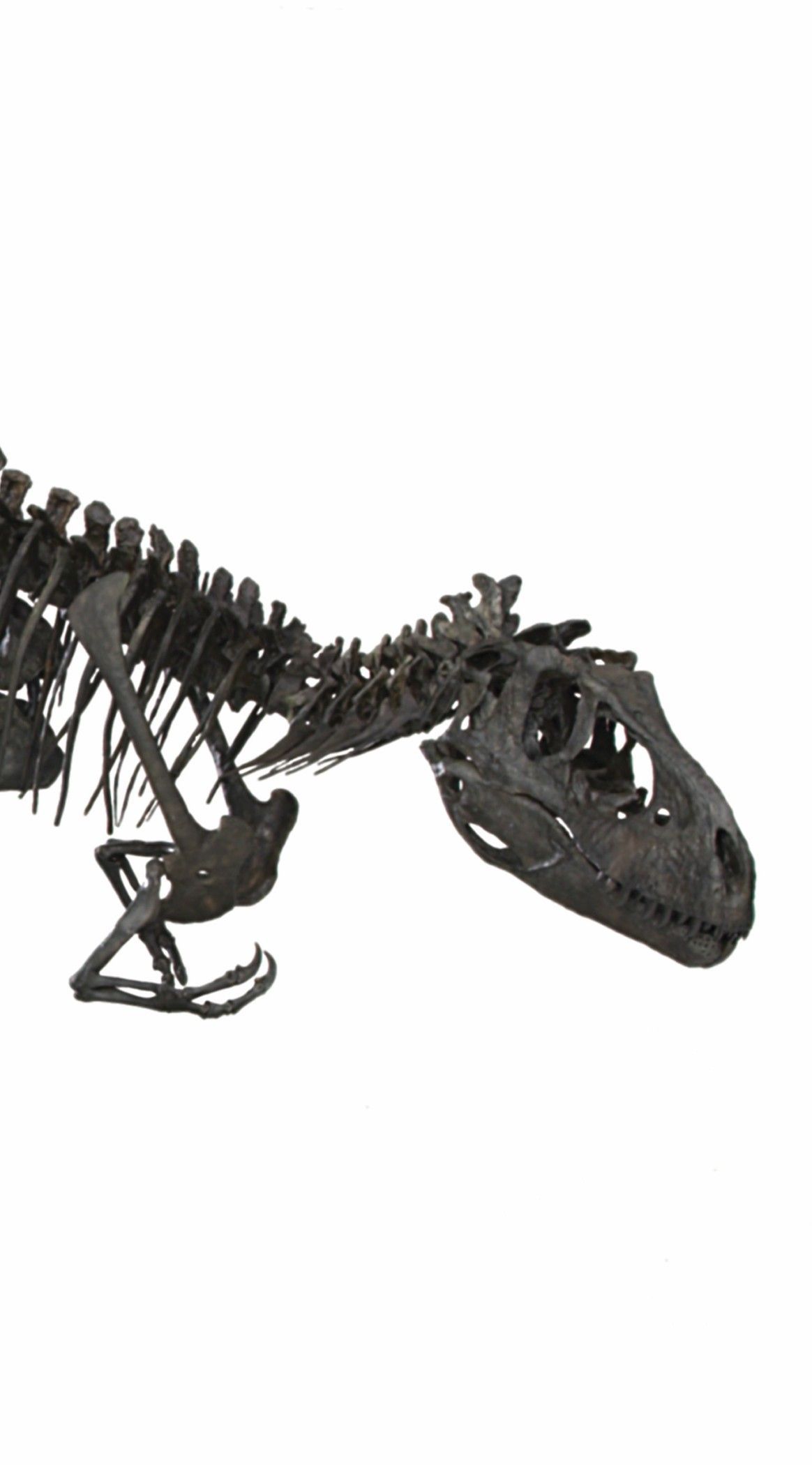
Albertosaurus sarcophagus
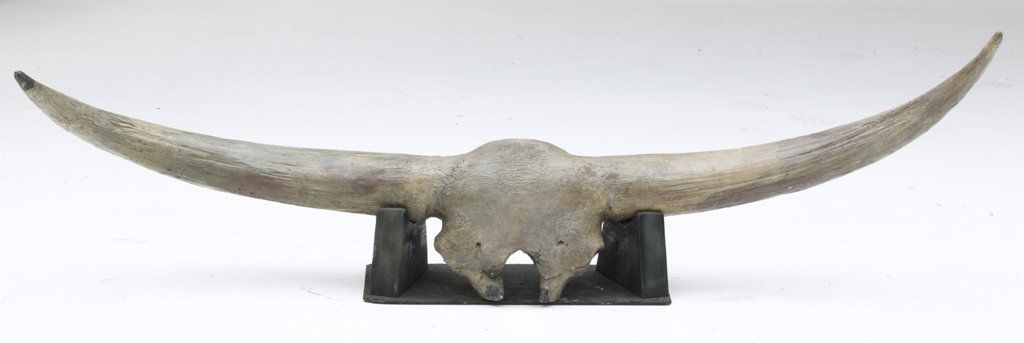
Bison latifrons
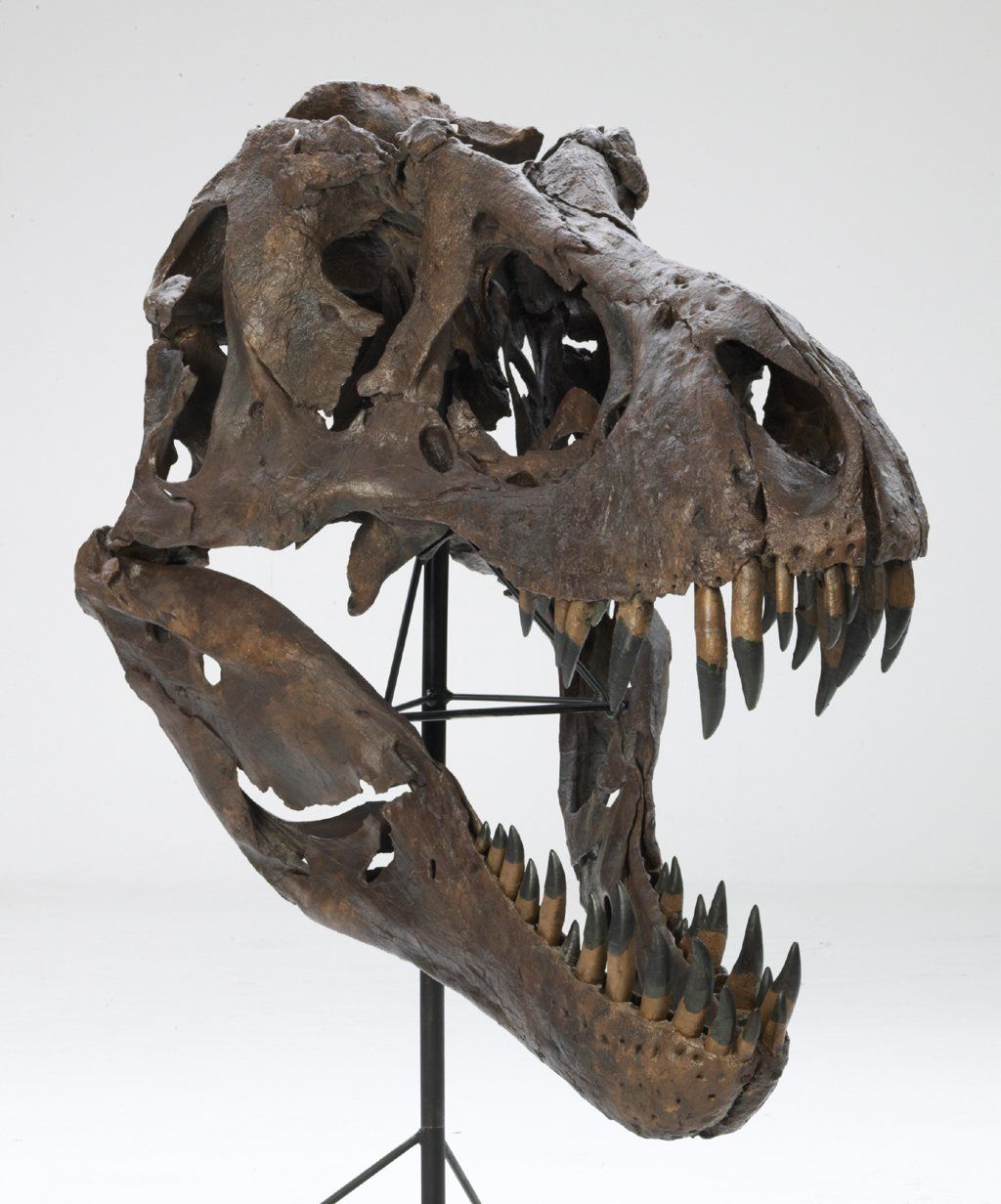
Tyrannosaurus rex
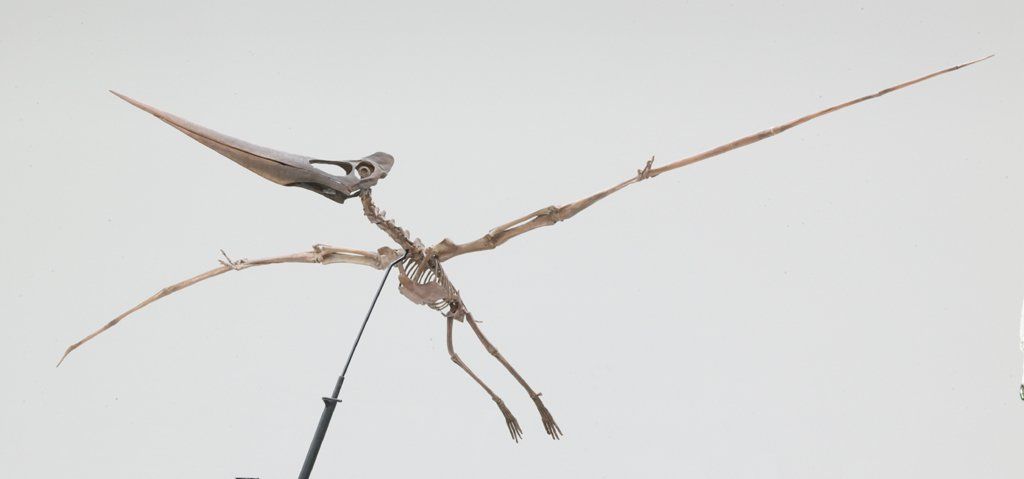
11ft Pteranodon longiceps
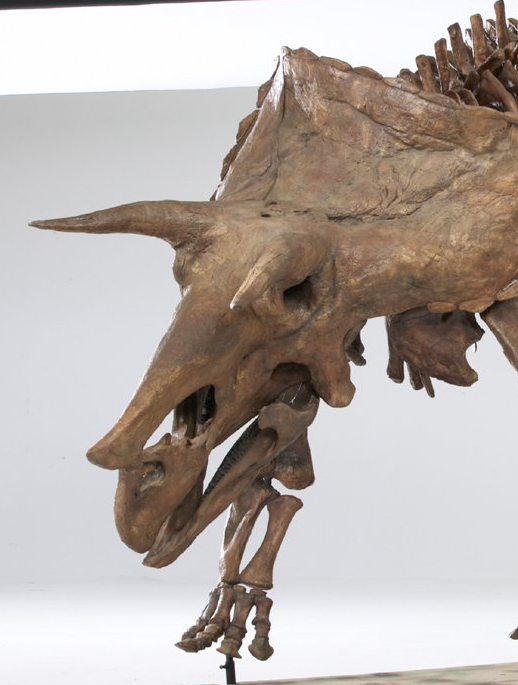
Triceratops prorsus
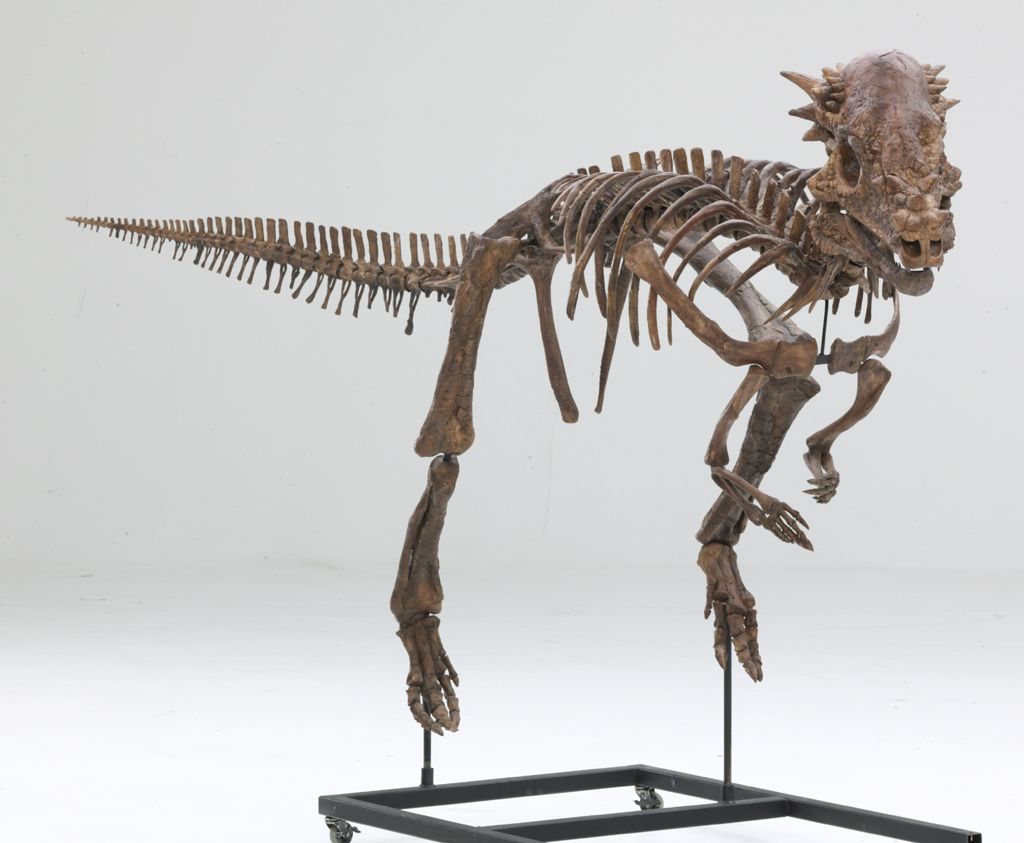
Pachycephalosaurus wyomingsis
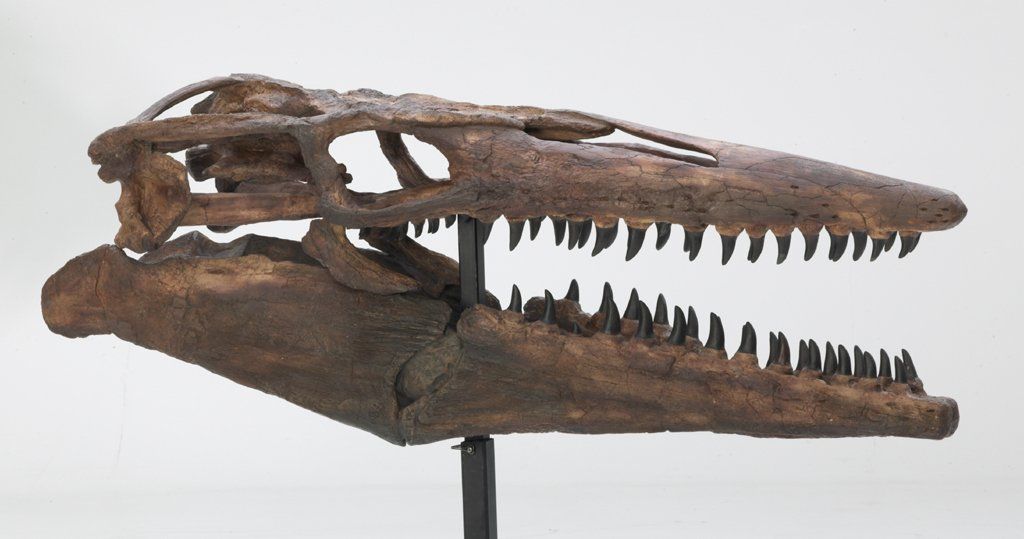
Tylosaurus proriger
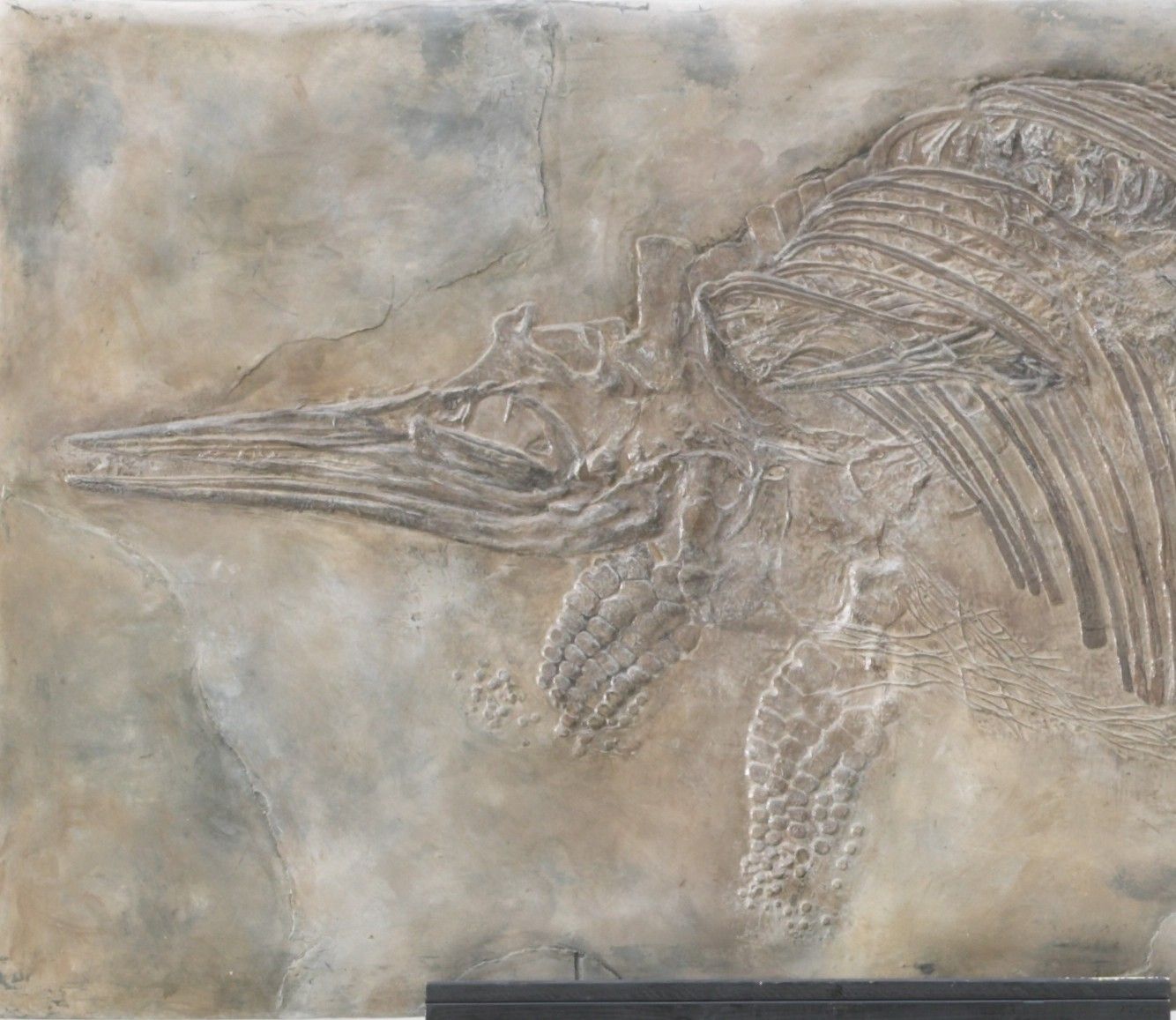
Stenopterygius quadriscissus
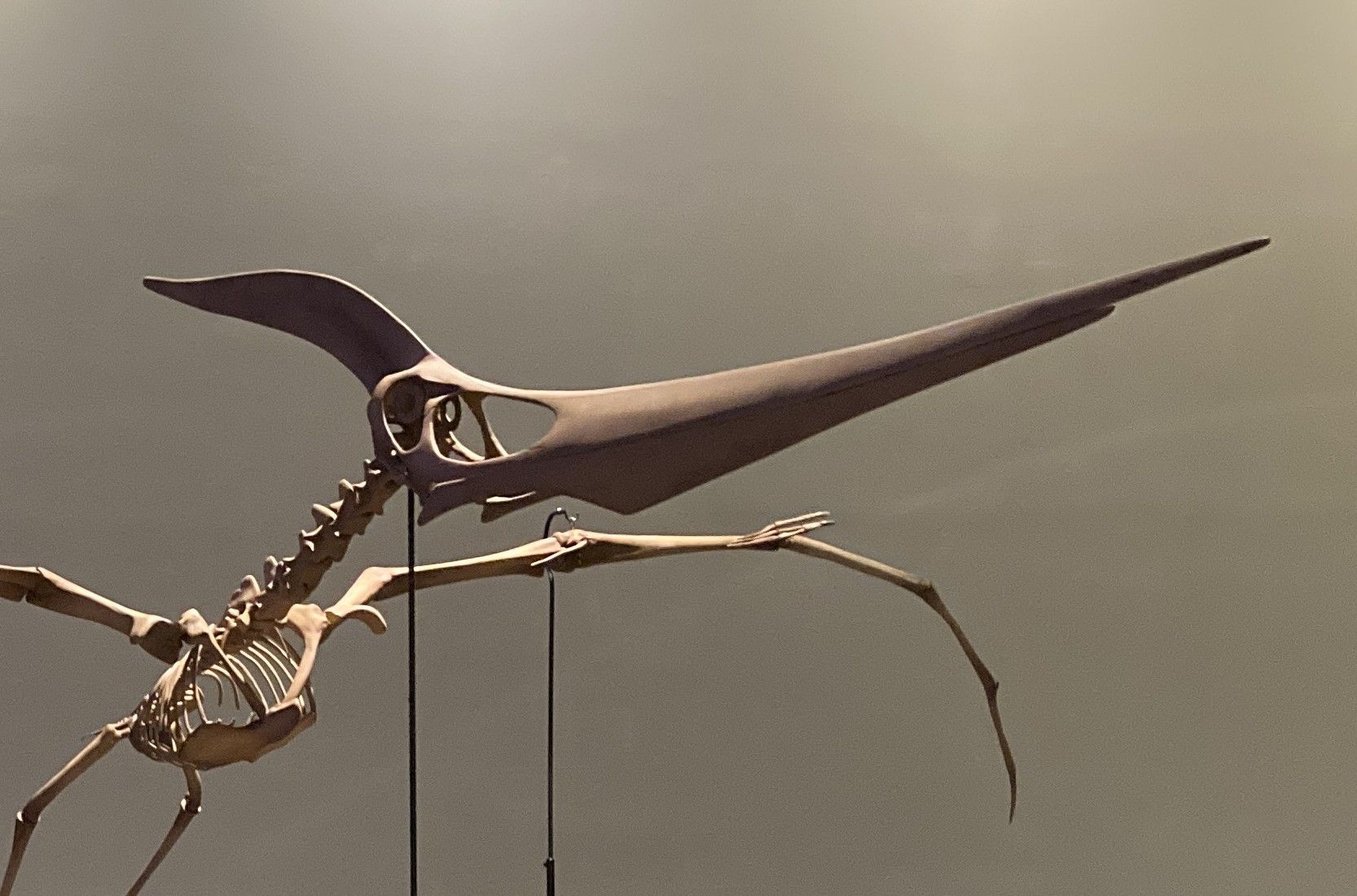
24ft Pteranodon longiceps
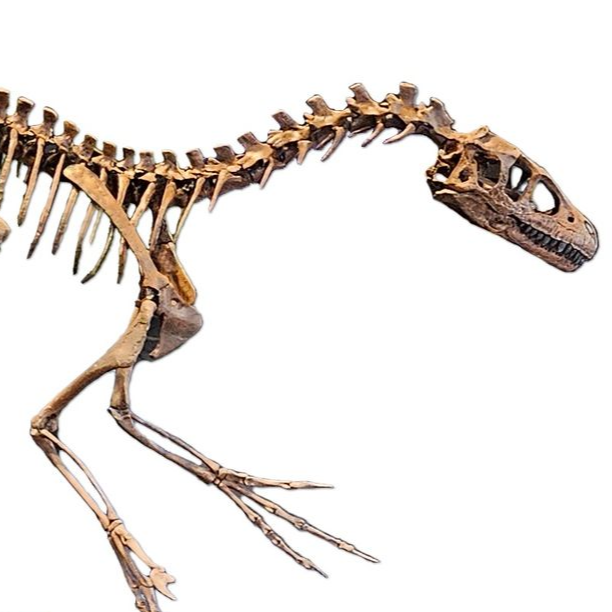
Dromaeosaurus albertensis
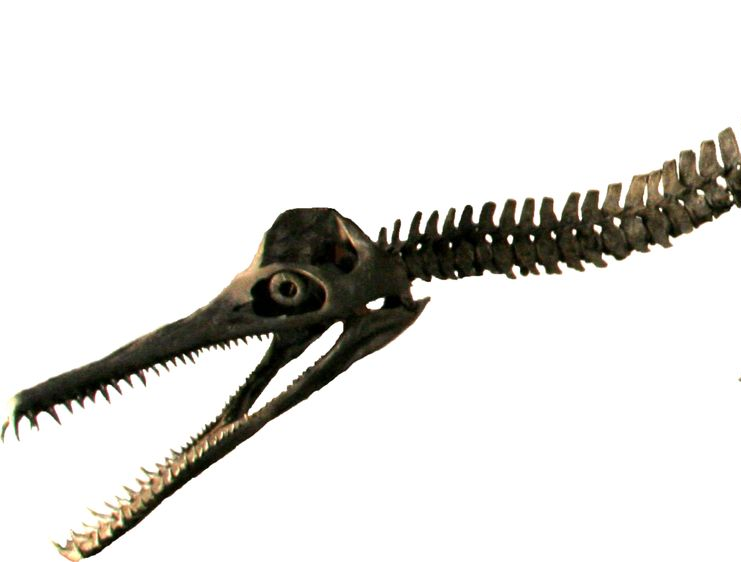
Martinectes bonneri
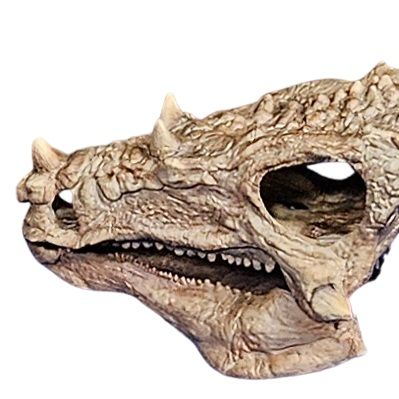
Dracorex hogwartsia
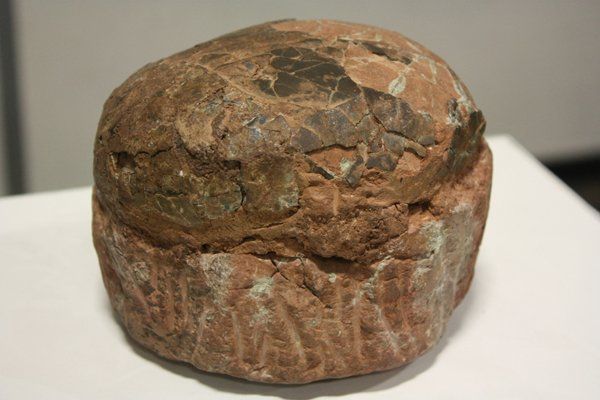
Dinosaur Egg
Coprolite (Fossil Excrement)
Archaeopteryx siemensii
Smilodon californicus